Sam Bankman-Fried Appeals Fraud Conviction to Supreme Court
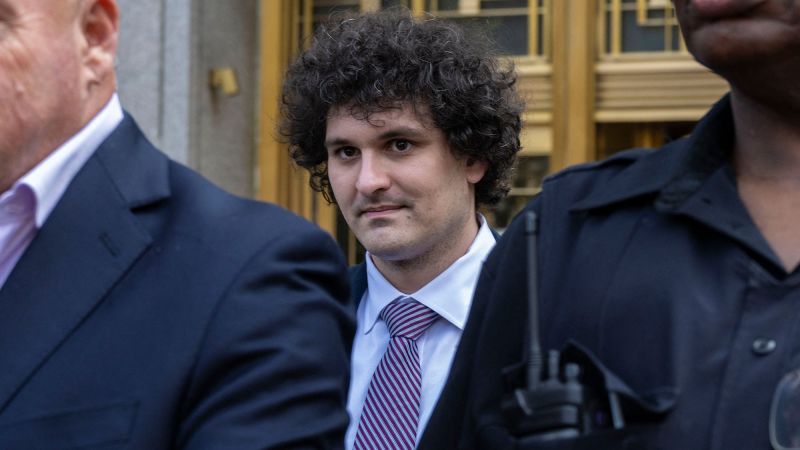
Sandego.net – Former crypto billionaire Sam Bankman-Fried has asked the US Supreme Court to review his fraud conviction, 25-year prison sentence and an $11 billion forfeiture order tied to the collapse of FTX. His petition seeks a new trial and raises questions about the evidence jurors were permitted to hear.
Bankman-Fried was convicted in 2024 of defrauding investors. Prosecutors said he directed billions of dollars from the FTX cryptocurrency exchange to Alameda Research, a hedge fund he controlled, and that the money supported high-risk investments, political contributions and personal expenses.
Appeal challenges trial evidence
The central argument concerns how evidence about customer losses was handled at trial. His lawyers contend that, while prosecutors introduced evidence suggesting that FTX customers lost money, the defense was restricted from presenting evidence that investments associated with Alameda Research could eventually have covered the shortfall.
The appeal asks whether that limitation unfairly affected the jury’s view of the case. The defense position is that, if final losses were not required to prove fraud, evidence emphasizing losses should not have been presented without allowing a fuller response about the value of the investments over time.
“Where the government pursues a theory of fraud under which it doesn’t matter whether any victims lost money, introducing evidence suggesting that people actually lost money is distracting and prejudicial,” veteran Supreme Court attorney Jeffrey Fisher said.
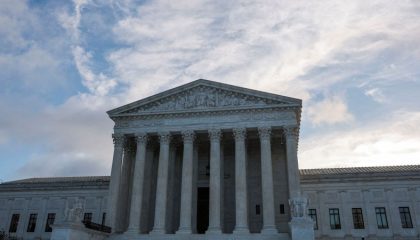
Earlier in 2026, the US Court of Appeals for the 2nd Circuit rejected Bankman-Fried’s arguments, leaving the conviction and sentence in place. The Supreme Court is expected to consider the petition later in the year, but it is not required to accept the case.
Prior Supreme Court ruling is part of the dispute
Former crypto billionaire Sam Bankman-Fried is relying in part on a unanimous Supreme Court decision from 2025 involving a contractor that obtained a bridge-painting contract through false certifications related to disadvantaged-business requirements. The contractor argued that there could be no wire fraud because the promised work was completed and no economic loss was intended.
The Supreme Court rejected that argument, concluding that fraud can occur when a person or company obtains an agreement through materially false statements, even when the victim receives something of value. Bankman-Fried’s petition does not dispute that principle. Instead, it questions how prosecutors may use evidence of financial harm under that type of fraud theory.
$11 billion forfeiture also under challenge
The petition also challenges the $11 billion forfeiture imposed alongside the prison sentence. Bankman-Fried argues that the amount violates the Eighth Amendment’s prohibition on excessive fines.
Forfeiture is separate from a prison sentence: it is a court-ordered loss of assets or property linked to criminal conduct. The size of the order makes that constitutional claim a major part of the appeal.
If the Supreme Court declines to hear the case, the lower court’s ruling will remain in effect. If the justices accept review, Former crypto billionaire Sam Bankman-Fried could receive a decision addressing both the trial-evidence dispute and the limits of criminal forfeiture.
FAQ
What is Sam Bankman-Fried asking the Supreme Court to do? He is asking the court to review his conviction, sentence and forfeiture order, with the goal of obtaining a new trial and reconsideration of the financial penalty.
Does the Supreme Court have to hear the appeal? No. The court chooses which petitions to accept. If it declines review, the decision of the 2nd Circuit will stand.
What is the main issue in the appeal? The petition focuses on whether the trial fairly handled evidence about FTX customer losses and whether the $11 billion forfeiture is constitutionally excessive.