Apple’s iPhone Duo Brings a Foldable Design to Its Most Important Product
Sandego.net – Apple is preparing to make the most dramatic change yet to the iPhone: a device that folds in half. The newly announced iPhone Duo is Apple’s first foldable smartphone, arriving nearly two decades after the original iPhone reshaped the mobile industry. Priced from $1,999, the device is scheduled to go on sale October 23.
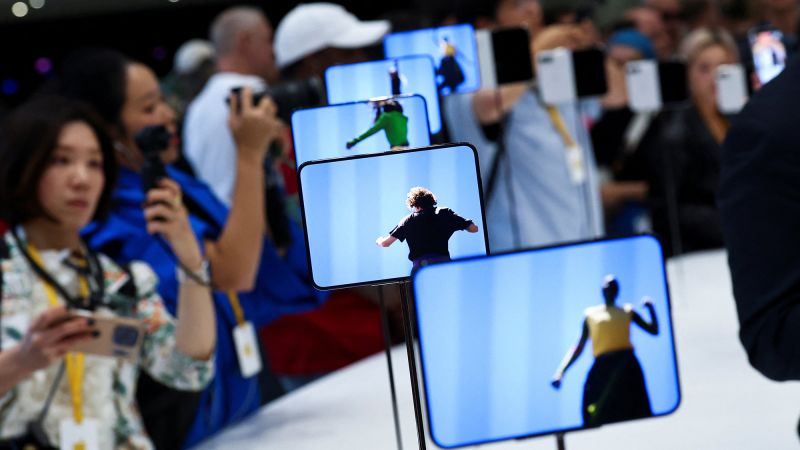
The Duo combines a smaller exterior display with a much larger screen inside, giving it the flexibility to function as both a traditional phone and a compact tablet. Apple is positioning the device as more than an iPhone with a hinge, focusing heavily on software features that respond to the phone’s changing shape.
“will redefine the experience of using a foldable phone.”
That was the promise from Apple CEO John Ternus during the company’s announcement event. It is an ambitious claim in a category that has existed for years, led by manufacturers including Samsung, Huawei and Motorola. Foldable handsets remain a relatively small part of worldwide smartphone sales, but Apple’s entry could draw far more attention to the format.
A Passport-Sized Phone With a Tablet-Scale Interior
When closed, the iPhone Duo is roughly comparable in size and form to a passport. It features a 5.4-inch display on its exterior, allowing users to handle common phone tasks without opening the device. Unfolding it reveals a 7.6-inch inner screen, a size similar to the display on an iPad Mini.
Apple says the Duo is its thinnest iPhone when opened. The interior panel uses a matte finish intended to limit reflections and reduce visible fingerprints. Just as important for a foldable device, the crease at the center of the display is difficult to see and cannot easily be felt when a finger moves across the screen.
That detail matters because prominent creases were among the early complaints about foldable phones. First-generation models from several manufacturers made the folding line especially noticeable, which reduced the appeal of an otherwise futuristic design. Rival phone makers have steadily improved their hardware since then; Samsung’s Galaxy Z Fold 8, for example, has become notably slim as foldable engineering has advanced.
Apple is therefore entering a more mature market rather than inventing one from scratch. The central question is whether its design choices, software polish and broader brand reach can persuade buyers that a folding screen is worth a price approaching $2,000.
Software Changes With the Phone’s Position
The iPhone Duo’s software is intended to make its physical flexibility feel practical rather than gimmicky. As the device is opened or partially folded, apps can reposition their content to match the available screen space.
For video playback, a program can continue playing as the phone transitions from a smaller view to the expanded inner display. Opening the device does not require restarting the video or waiting for the app to reload its layout. When the Duo is held partly folded, like an open book, applications can separate their content across the two sides of the screen.
The larger interior panel also supports split-screen use, enabling more than one app to be open at once. Users can work with separate applications side by side instead of constantly switching between them. Samsung and Google already offer comparable multitasking capabilities on their foldable devices, making execution especially important for Apple.
Apple has also built in camera options designed for the unusual form factor. The Duo includes cameras on its rear, front and interior. During FaceTime calls, both cameras can be used at the same time, while the outer screen can serve as a framing preview for photos and videos.
A Foldable Phone That Can Stand on Its Own
One of Apple’s more everyday examples is Standby, a mode that can turn the outer display into a bedside clock or photo frame. On standard iPhones, Standby is already available when a phone is charging and placed sideways on a stand. The iPhone Duo makes the setup simpler because its hinge lets it support itself in a tent-like position.
That could make the feature more useful on a nightstand, desk or other nearby surface. Instead of treating the folding design only as a way to create a larger screen, Apple is also presenting it as a way to let the phone occupy space differently throughout the day.
Those small adjustments may be vital to the product’s prospects. A foldable phone can attract interest because of its hardware, but long-term usefulness depends on whether the device feels natural in ordinary routines. The Duo’s ability to shift from phone to larger display, compact workstation, media screen and self-standing clock is designed to make that case.
A High-Stakes Launch for Apple
The iPhone remains Apple’s biggest business, producing more than half of the company’s revenue. Yet its core design has changed gradually over the years, with bigger displays, improved cameras and faster processors marking most of its major updates. The iPhone Duo represents a more visible departure from that pattern.
Apple has faced pressure to find a major new product success after initiatives such as the Apple Vision Pro headset and last year’s iPhone Air did not connect strongly with consumers. A foldable iPhone gives the company a chance to refresh its most established product line, but it also introduces a higher price point in a category that has not yet become mainstream.
Apple has previously succeeded by tailoring software to new hardware categories. The iPad and Apple Watch were supported by dedicated software approaches intended to keep them from feeling like oversized or undersized iPhones. The iPhone Duo follows a similar strategy: its hardware may capture attention, but its software behavior will determine whether the format feels genuinely useful.
For buyers, the decision may come down to a straightforward calculation. The Duo offers a larger screen, flexible viewing angles, multitasking and a more compact form than a separate phone-and-tablet combination. Whether those benefits justify nearly $2,000 will decide if Apple’s first foldable becomes a niche showcase or a defining new chapter for the iPhone.
Related Reading
Frequently Asked Questions
What is What it s like to use?
What it s like to use is the main topic of this guide. The article explains the context, practical details, and next steps readers should understand.
Why does What it s like to use matter?
What it s like to use matters because readers are looking for a useful answer, not just a short summary. Good content should match search intent and help them decide what to do next.