El Niño is Here and Rapidly Strengthening: Global Weather Impacts Unfold
Sandego.net – El Niño, the powerful climate pattern in the tropical Pacific, has entered a critical phase, with signs of intensification prompting global concern. A recent assessment from the National Oceanic and Atmospheric Administration (NOAA) confirms that the phenomenon is now active and poised to develop into a “Super” El Niño. This development could lead to widespread shifts in weather systems, from heightened drought risks in certain regions to increased precipitation in others. As the event gains momentum, its effects are expected to ripple across the globe, impacting everything from agricultural productivity to coastal storm activity.
El Niño’s Climatic Forces
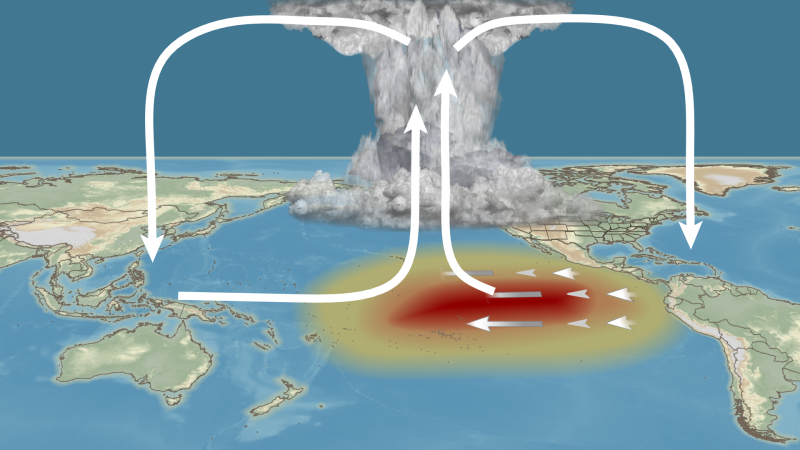
El Niño is a natural climate cycle marked by the warming of ocean surfaces in the central and eastern Pacific, which disrupts typical wind patterns and atmospheric conditions. This year’s event, however, appears to be more pronounced than usual, with sea surface temperatures already surpassing historical averages. NOAA scientists note that the current El Niño is growing at an accelerated rate, potentially reaching “very strong” levels by the end of the year. Such a development would align with the criteria for a Super El Niño, where warming exceeds 2°C above normal, creating a stronger influence on global weather dynamics.
“This rapid intensification of El Niño is reshaping climate conditions worldwide,” remarked a NOAA expert. “The heat released from the Pacific waters is amplifying existing temperature trends, making extreme weather events more frequent and severe.”
Geographic Weather Impacts
As the El Niño pattern strengthens, its effects will vary across different regions. The southern United States, for example, may experience cooler and wetter winters due to a more active jet stream, while the Southwest and Hawaii could face intensified droughts or shifts in storm frequency. In contrast, areas like South America and Southeast Asia are likely to see heavy rainfall, which can lead to flooding in coastal zones. Meanwhile, Australia and Indonesia are at risk of prolonged dry spells, potentially exacerbating wildfire risks and affecting ecosystems.
While El Niño’s influence is most pronounced in the Pacific, its reach extends to other parts of the world. The Caribbean and regions in southern Asia could face reduced rainfall during the Southern Hemisphere summer, heightening the risk of water shortages. Conversely, the Horn of Africa may experience increased monsoon activity, bringing much-needed rain to drought-stricken areas. These contrasting outcomes underscore the complex and interconnected nature of global climate systems during an El Niño event.
Climate Change and El Niño Synergy
El Niño’s current rapid growth is occurring against the backdrop of ongoing climate change, which has already raised global temperatures. The combination of these factors could lead to record-breaking heat levels in 2027, surpassing previous extremes. NOAA’s report highlights that the phenomenon may further accelerate temperature rises, particularly in regions with pre-existing vulnerabilities. This interplay between natural cycles and human-induced warming is critical in understanding the scale of upcoming climate challenges.
Super El Niño events are not just rare occurrences—they are significant contributors to long-term climate trends. Historically, these events have been linked to major climate disruptions, including severe droughts in the 1980s and 1990s. As the El Niño intensifies, its impact on weather extremes will become more pronounced, affecting agricultural cycles, water management, and disaster preparedness efforts across multiple continents.
Looking ahead, the likelihood of this El Niño maintaining its strength through the fall and winter remains high, according to NOAA forecasts. This sustained activity could lead to prolonged weather anomalies, such as heat waves in the Pacific Northwest or disrupted monsoon seasons in South Asia. The global community must prepare for these changes, as the rapid escalation of El Niño underscores the urgency of climate resilience strategies.