From Prison Cell to Pardon Petition: Michael Cohen and Donald Trump’s Unlikely Reconciliation
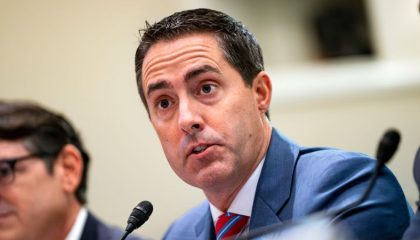
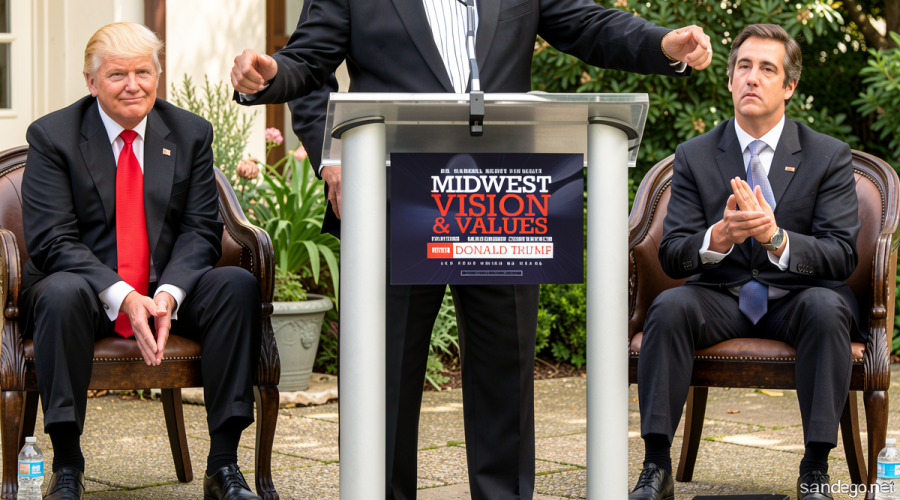
Sandego.net – The man who once described himself as Donald Trump’s loyal “pit bull” has now filed a formal pardon application with the administration of the very president who branded him a traitor. Michael Cohen, the former personal attorney who spent time behind bars for his role in a hush-money arrangement tied to the 2016 campaign, submitted a clemency request to the White House and plans to press the matter further this Friday. The move arrives amid a broader thaw between two men whose public war stretched across more than eight years of name-calling, courtroom battles, and bestselling memoirs.
The pardon filing was confirmed by Cohen himself, though he stressed he had not personally lobbied the president for clemency. A White House official, reached for comment, offered a characteristically cool response: the team that reviews clemency petitions “is not tracking this request at this time.” The official added that submitting a petition “should not be interpreted to mean anything other than an individual has chosen to submit a request,” and reminded listeners that the president, exercising constitutional authority, remains the ultimate decider on all such matters.
A Conversation After Eight Years of Silence
The pardon application is the latest development in a reconciliation that began, by Cohen’s own account, with an unsolicited text message from someone he described as a “White House friend and an insider.” That intermediary relayed a message from the president expressing what Cohen called “genuine empathy for the hell that I was being dragged through, yet again.” Cohen declined to identify the insider but said he responded by thanking the messenger and voicing his “sincere hope that this long, exhausting feud between the two of us could finally end.” He added that the intermediary replied almost immediately, agreeing.
The thaw culminated in a taped phone interview for Cohen’s radio program on WABC, aired in part on Thursday. In the segment broadcast, Trump addressed Cohen directly:
“They weaponized you, they weaponized a lot of people. I respect the fact you recanted, everything you said.”
That exchange represented the closest the two men came to confronting their bitter history on air. The remainder of the clip focused on the U.S. conflict with Iran and Trump’s record in office. Cohen told CNN that the complete interview, airing in full on Sunday, ran approximately 40 minutes.
The Anatomy of a Feud
To understand why this reconciliation carries weight, one must recall how the rupture unfolded. On August 21, 2018, Cohen stood in a Manhattan federal courtroom and pleaded guilty to eight criminal counts. His admissions implicated Trump in a scheme designed to buy the silence of women who alleged romantic affairs with the then-candidate during the 2016 election cycle. Cohen became the sole individual to serve prison time connected to that arrangement.
After his release, Cohen assumed the role of star witness at Trump’s criminal trial in New York. In 2024, a jury convicted the former president on 34 counts of falsifying business records tied to hush-money payments made to Stormy Daniels, an adult-film performer, to keep quiet about an alleged past encounter. Trump, who has consistently denied the affair, received no jail sentence and has since appealed the conviction.
The betrayal stung. For years, Trump referred to Cohen as a rat and a liar — labels that cut deep given that Cohen had once publicly declared he would take a bullet for his client. Cohen, for his part, made no secret of feeling abandoned by Trump and his inner circle. He channeled that grievance into two books published after his release: Disloyal and Revenge.
Forgiveness Without Amnesia
Speaking to CNN’s Jake Tapper on “The Lead” ahead of the interview’s broadcast, Cohen addressed the question of how two people who had hurled “verbal missiles” at each other for years could sit down — or, in this case, talk by phone — again.
“How is it possible after all of what took place, all of the name-calling, the years of the public war, the verbal missiles that we threw at one another? How is it possible that the two of us can ever sit down again?”
His answer was brief: “The answer is that we forgave.” He then offered a caveat that framed the entire episode:
“But remember this: Forgiveness does not require amnesia. It requires the courage to stop allowing yesterday to dictate tomorrow.”
Asked whether Trump had apologized, Cohen chose to keep the specifics private, though he said he was “comfortable” with the words exchanged between them. Pressed on whether he wanted his prison years to define his life story, he said he did not want that chapter to become “the defining moment.”
Political Context and Implications
The reconciliation lands against a backdrop of ongoing tension between Trump and New York’s prosecutors. Cohen has publicly alleged that Manhattan District Attorney Alvin Bragg and New York Attorney General Letitia James pressured and coerced him into testifying against the former president. Those claims remain contested, but they have given Cohen a platform from which to frame his prison experience as politically motivated rather than purely judicial.
For readers tracking the pardon question, the White House’s measured response signals that no decision has been made and that the standard review process applies. Whether the application ultimately succeeds, stalls, or becomes a footnote to a broader political narrative remains open. What is no longer open is the fact that the two men have spoken, that the word “resuscitated” now describes their relationship, and that the longest public feud in recent American political history has, at minimum, entered a ceasefire.
Related Reading
Frequently Asked Questions
What is Donald Trump once called Michael Cohen?
Donald Trump once called Michael Cohen is the main topic of this guide. The article explains the context, practical details, and next steps readers should understand.
Why does Donald Trump once called Michael Cohen matter?
Donald Trump once called Michael Cohen matters because readers are looking for a useful answer, not just a short summary. Good content should match search intent and help them decide what to do next.