Photos Suggest US Bombs Damaged Drinking Water Tanks in Iran
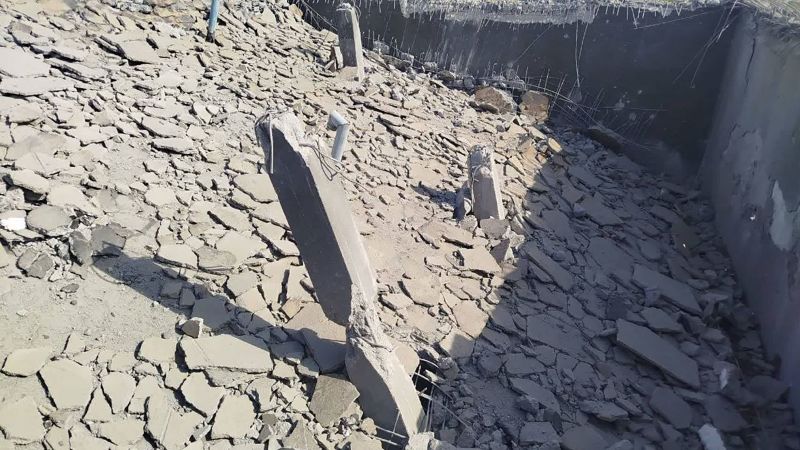
Sandego.net – Recent images released by Iran’s semi-official Mehr news agency and an independent outlet have sparked speculation about the impact of US precision strikes on critical water infrastructure in southern Iran. Analysts, including munitions experts, believe the damage observed in the photographs aligns with the effects of US-made GBU-39 series bombs. The visuals depict two water storage tanks, positioned adjacent to one another, showing signs of structural compromise. These images were initially geolocated to the Bamani district by an independent researcher known as acceladealer on X, and later corroborated by CNN’s analysis. The findings raise questions about the targeting of civilian resources during the latest US military operations against Iran.
Geneva Convention and Strategic Threats
Water facilities are protected under the Geneva Convention, which aims to safeguard essential infrastructure during conflicts. However, the recent strikes have tested this principle. In March, former US President Donald Trump had previously hinted at the possibility of attacking Iran’s water desalinization plants in a post on Truth Social. This statement alarmed Gulf allies, who feared the escalation of hostilities could target civilian populations. The current strikes, which occurred in response to Iran’s downing of a US helicopter, appear to have followed a similar pattern, with some reports indicating the destruction of key water reservoirs.
Defense Secretary Pete Hegseth was asked about targeting civilian infrastructure in Iran, though not explicitly about the water facilities, during a press briefing. He dismissed the question as “disingenuous,” stating the US would strike targets that “improve the environment for us to operate in.” This remark underscores the strategic rationale behind the attacks, suggesting that even infrastructure serving civilians might be deemed a legitimate target if it aids Iran’s military or economic capabilities.
Expert Analysis of Bomb Damage
Munitions specialists have provided insights into the nature of the damage, linking it to the GBU-39 series, a precision-guided weapon developed by the United States. Trevor Ball, a former US Army senior explosive ordnance disposal team member, and N.R. Jenzen-Jones, director of Armament Research Services, confirmed the presence of GBU-39 components in the images released by Mehr. While CNN could not independently verify that the munitions shown in the photo were found at the site, the analysis of the damage suggests a high level of accuracy in the strikes.
The images reveal that the smaller of the two tanks has suffered severe damage, with its roof collapsed and debris surrounding the structure. Aftab News agency’s photo highlights a small entry hole in the roof of the larger tank, which remains upright. Ball noted that this hole, along with a wing remnant nearby, matches the damage pattern consistent with a GBU-39 impact. The precise nature of the strikes has led to further scrutiny, as the tanks are located in a relatively remote area, raising concerns about the possibility of targeting errors.
Geolocation efforts by CNN placed the larger water tank in the Bamani district, where the reservoirs serve at least 20,000 residents. The Iranian Tasnim news agency, associated with the Revolutionary Guard Corps, reported that the tanks had a combined capacity of 2,500 cubic meters. Satellite imagery estimates the smaller tank could have held around half a million liters of water, highlighting the potential impact on local communities. If the attack occurred during the broader US strike targeting Iran, Ball emphasized that the proximity of the tanks to the main engagement area makes an error in guidance unlikely.
Context of the US Strikes
The US launched airstrikes against Iran on Tuesday, following Tehran’s downing of a US helicopter. While the operation targeted military assets, the damage to the water reservoirs suggests that civilian infrastructure may have been inadvertently affected. US Central Command (CENTCOM) spokesperson Capt. Timothy Hawkins acknowledged the command’s awareness of the reports but declined to comment further on the specific strikes against the tanks. This lack of detailed response has fueled ongoing debate about the proportionality of the attacks.
The incident also brings to light the broader implications of the US military’s approach to targeting. The GBU-39 bomb, which is part of the US arsenal, has been used by Israel and several Gulf states as well. This shared use of weaponry highlights the interconnected nature of regional conflicts and the potential for collateral damage. Critics argue that the destruction of water facilities could disrupt daily life for thousands, while proponents maintain that such strikes are necessary to weaken Iran’s capabilities.
Quotes and Reactions
“Two concrete water-storage reservoirs with a combined capacity of 2,500 cubic meters in the Bamani district were struck by missiles and completely taken out of service.”
This statement was quoted by Mehr, referencing Abdul Hamid Hamzehpour, the chief executive of Hormozgan Water and Wastewater Company. The loss of these tanks has significant consequences, as they provided essential water supply to the local population. The New York Times was the first to report on the damage to the larger tank, further amplifying the concerns about the strikes’ impact.
The destruction of these facilities has drawn attention to the humanitarian angle of the conflict. With the water reservoirs serving 20,000 Iranians, the strikes could have caused widespread disruption, especially in an area already facing water scarcity challenges. The timing of the attacks, just days after Trump’s warning about targeting Iran’s oil infrastructure, adds another layer to the strategic calculus. Kharg Island, a key oil export hub, was also mentioned in Trump’s remarks, indicating a possible broader campaign to cripple Iran’s economic and energy sectors.
Analysts are now weighing the balance between military necessity and civilian harm. Ball’s assessment that the GBU-39’s precision makes targeting errors improbable has reassured some, but the destruction of the tanks still raises questions. The US military’s response to the initial strikes was swift, yet the follow-up analysis of the damage suggests a more deliberate effort to strike vital resources. This duality reflects the complexities of modern warfare, where even targeted strikes can have unintended consequences.
As the situation unfolds, the focus remains on confirming the extent of the damage and the intent behind the attacks. The images from the Bamani district, combined with expert analysis, have provided compelling evidence of the US bombs’ impact. However, the lack of transparency from CENTCOM and the strategic context of the strikes leave room for interpretation. The report has been updated to include additional developments, underscoring the evolving narrative of the conflict and its human toll.
The incident serves as a reminder of the delicate balance between military objectives and the protection of civilian infrastructure. While the US has justified the strikes as part of a larger strategy to counter Iran’s operations, the destruction of water facilities highlights the potential for collateral damage. As the international community watches closely, the question of whether these attacks constitute a war crime continues to gain traction, especially in light of the Geneva Convention’s protections.
With the availability of satellite imagery and detailed analysis from independent sources, the case for the US bombs’ impact is strengthened. The combination of geolocation data, expert testimony, and the physical evidence in the photos paints a clear picture of the damage. This has prompted renewed discussions about the targeting strategies employed in recent operations and the need for greater accountability in the use of precision weaponry.