New Colorado River Plan Will Cut Water for Three States
Sandego.net – The New Colorado River plan will impose significant water reductions on California, Arizona, and Nevada through 2028. Under the upcoming federal directive, these three states must decrease their Colorado River consumption by 16 to 20 percent. A senior water official confirmed the comprehensive framework will be announced within days. While the cuts are substantial, experts worry they may not be enough to save the basin as reservoirs continue falling to record lows.
Understanding the New Framework
This latest proposal represents the newest phase in efforts to manage the Colorado River’s shrinking supplies. The New Colorado River plan will establish a ten-year operational structure following years of difficult negotiations. On Friday, the US Bureau of Reclamation released its environmental impact statement, setting the foundation for future water management decisions.
Under the proposed framework, lower basin states could face collective cuts of three million acre-feet per year. That amount of water could supply roughly nine million American homes. Federal authorities will release initial operating plans within days, outlining specific requirements through 2028. Upper basin states—Colorado, New Mexico, Utah, and Wyoming—will not face mandatory reductions under this approach.
“This framework provides the flexibility to respond to changing hydrologic conditions while preserving the opportunity for the Basin States to continue working toward durable, consensus-based solutions,” said Secretary of the Interior Doug Burgum in a statement Friday.
Why the Colorado River Matters
The Colorado River supports over five million acres of farmland, generates electricity for approximately 700,000 homes, and provides water to 40 million people across the Southwest. However, the river has shrunk dramatically over the past 25 years due to heavy use and climate change. Currently, 95 percent of the basin is experiencing drought conditions.
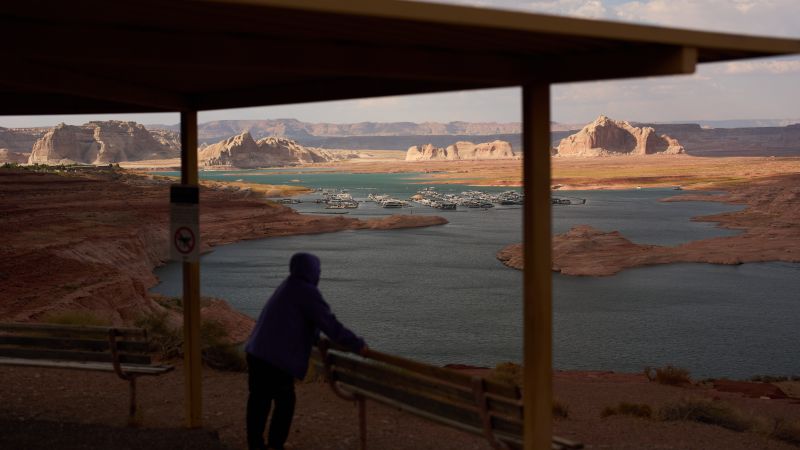
Lake Powell and Lake Mead—two of America’s largest reservoirs—reached historic lows last week. A heat dome bringing record temperatures is moving toward the western United States. These reservoirs hold the water allocated under the 1922 Colorado River compact, which divides seven and a half million acre-feet annually between upper and lower basin states.
What Comes Next
The New Colorado River plan will likely face opposition from upper basin states, which argue that higher-consuming states should take on more of the burden. The current management agreement, in place since 2007, expires this year. A February federal deadline for states to reach a new agreement passed without resolution.
Experts caution that existing measures may fall short as conditions deteriorate. Last winter was one of the driest and warmest on record for the West, creating widespread snow drought. Lake Mead could hit its lowest level ever as early as next week, while Lake Powell may follow next month. According to a July Bureau of Reclamation report, Lake Powell could reach “minimum power pool” status by spring 2027, meaning its dam would no longer generate electricity.
Legal battles loom as states struggle to adapt. Arizona has signaled it wants upper basin states to contribute more to the solution. Meanwhile, California, Arizona, and Nevada have proposed various reduction strategies, though each seeks to minimize its own burden.
Frequently Asked Questions
When does the new Colorado River plan take effect?
The initial operating plans under the New Colorado River plan will be released within days of the announcement. Full implementation of the ten-year framework begins immediately, with state-specific requirements in place through 2028.
How much water will be cut?
Lower basin states face reductions of 16 to 20 percent, totaling approximately three million acre-feet annually. This equals enough water to serve nine million households.
Will upper basin states face cuts?
Under the current proposal, upper basin states will not face mandatory reductions. However, they may voluntarily contribute to conservation efforts as negotiations continue.
What happens if Lake Powell reaches minimum power pool?
If Lake Powell drops to minimum power pool status by spring 2027, the Hoover Dam will no longer be able to generate hydropower, affecting electricity supply for millions of residents across the Southwest.
For more information on Colorado River water policy, visit CNN’s climate coverage.