Iron Age Woman Likely Had Her Brains Scooped Out Before Burial, Study Suggests
Sandego.net – A new study reveals that an Iron Age woman from Scotland might have had her brain removed as part of a ritualistic burial process, according to researchers. The discovery, detailed in the journal *Antiquity*, sheds light on the symbolic practices of ancient communities. Analysis of her remains indicates a deliberate procedure involving cuts to the skull, likely to extract her brain shortly after death. This finding challenges previous assumptions about Iron Age funerary customs and highlights the cultural significance of such modifications.
Skull Modifications Point to Intentional Brain Extraction
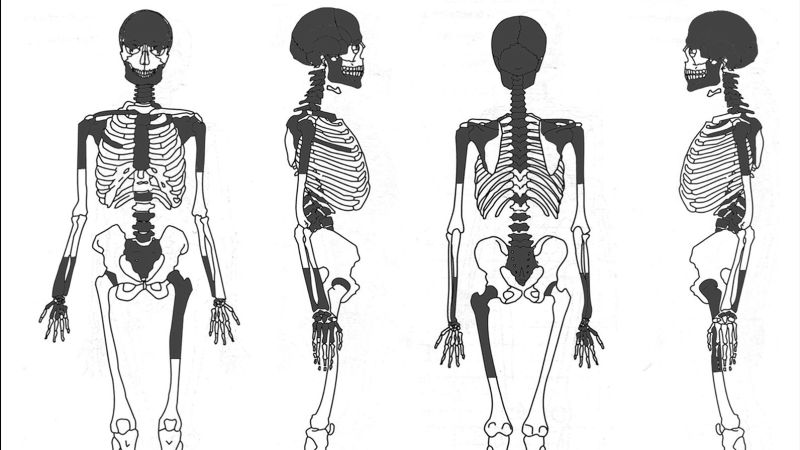
Experts from the UK and US examined the remains of a body found in 2000 under a cairn on the Scottish mainland. The skull displayed precise, parallel incisions that suggest the use of a sharp tool. These cuts were strategically placed near the base, aligning with the region where brain ligaments attach, making it easier to access the central nervous system. The researchers propose that these marks are evidence of a deliberate brain removal, aimed at preserving the skull or honoring spiritual beliefs.
“The incisions on the cranium were made with purpose, and the fracture at the base of the skull was an intentional act,” stated Laura Castells Navarro, lead author and postdoctoral researcher at the University of York. “This would allow the brain to be extracted while maintaining the skull’s integrity, which may have held symbolic value.”
The base of the skull showed a unique fracture pattern, differing from accidental damage. This precision suggests the removal was conducted shortly after death. Navarro explained that such techniques were likely tied to the belief that the brain, associated with the soul, needed to be separated for spiritual purposes. “The skull’s preservation indicates it was treated as a sacred object,” she added.
Bone Alterations Reflect Symbolic Rituals
Further examination revealed intentional modifications to the woman’s long bones, including the femur, humeri, and ulna. These bones showed signs of being snapped and polished, contradicting earlier theories that rodents might have caused the damage. The smooth, deliberate cuts point to human involvement, emphasizing the cultural intent behind the alterations. “The precision of these modifications suggests a ritualistic approach,” Navarro noted, highlighting the blend of physical and symbolic meaning in the process.
The femur’s flat, polished surface contrasts with the irregular humeri and ulna, raising questions about the purpose of each alteration. Navarro hypothesized that these changes may have symbolized transformation or a connection to the afterlife. “Placing the bones back in their anatomical positions reflects a deep reverence for the body’s structure,” she said, underscoring the importance of preserving the deceased’s form as part of the ritual.
Comparisons with Other Iron Age Burials
The study draws parallels between this case and other Iron Age burials in Scotland and neighboring regions. While the woman’s brain removal is described as distinctive, similar skull modifications and holes have been documented elsewhere. These features may have served to suspend or display remains, reinforcing the idea that the manipulation of bodies was a widespread cultural practice. The findings support the notion that such rituals were tied to beliefs about the soul’s journey beyond death.
DNA analysis of the woman and a nearby male body revealed a potential familial link, suggesting the pair may have been related. Radiocarbon dating places their deaths between 50 BC and 70 AD, though they likely died at different times. The male’s remains show no signs of complex trauma, indicating a separate cause of death. This contrast highlights the unique nature of the woman’s treatment, possibly linked to her role or status in the community.
Reasons for Brain Removal: Cultural and Spiritual Motives
While the study does not confirm the exact reason for the brain extraction, two primary theories emerge. One suggests the practice was a gesture of respect, removing the brain to free the soul or spirit. Another hypothesis points to symbolic meaning, such as representing a transition to the afterlife. Navarro emphasized that the process required both anatomical knowledge and ritual expertise, reflecting the sophistication of Iron Age societies.