Atmospheric Transformation: Canadian Wildfire Smoke Reshapes Eastern US Cities
A Skyline Under Siege
Sandego.net – Across the eastern United States, residents have witnessed a dramatic transformation of their urban landscapes as wildfire smoke from Canada has descended upon major metropolitan areas. The phenomenon has created an almost apocalyptic atmosphere, with once-clear blue skies replaced by a dense, brownish-orange veil that stretches from horizon to horizon. This atmospheric event has not only altered the visual character of cities but has also significantly impacted air quality readings across multiple states.
The smoke plume has moved through the region in waves, with each city experiencing its own timeline of deterioration. In some locations, the haze arrived gradually, while in others, it descended suddenly, creating an immediate and striking change in visibility. The effect has been particularly pronounced in urban centers where tall buildings and skyscrapers create a distinctive silhouette against the sky—a silhouette now muted and obscured by the thick particulate matter suspended in the atmosphere.
Regional Impact Timeline
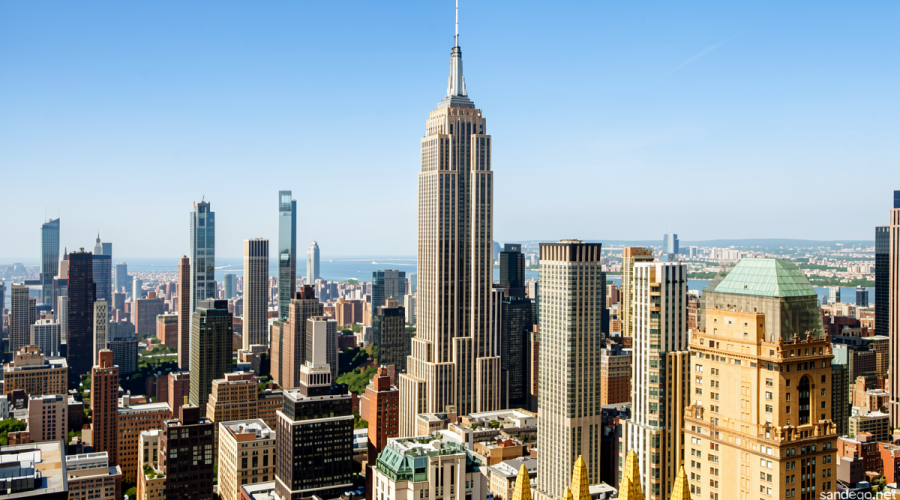
New York City has been grappling with deteriorating air conditions since Wednesday, when the smoke cloud began its descent toward ground level. The city’s iconic skyline, typically visible for miles on clear days, has been shrouded in a persistent haze that has made outdoor activities challenging for many residents. The smoke has not only affected visibility but has also triggered health alerts for those with respiratory sensitivities.
Meanwhile, Washington, DC, has experienced a different trajectory. For several days, the nation’s capital managed to avoid the worst of the hazardous air conditions that plagued other regions. However, by Friday, a substantial layer of smoke had settled over the city, creating a uniform brownish tint across the urban landscape. The Capitol dome and other landmarks that define the city’s character have been partially obscured by this atmospheric blanket.
Chicago has emerged as one of the hardest-hit areas in the Midwest. On Thursday, the city recorded some of the most severe air quality measurements in the country, with particulate levels reaching concerning thresholds. Even days later, Chicago remains enveloped in a persistent cloud of smoke that has transformed the city’s appearance and prompted health advisories for vulnerable populations.
Visual Transformations Across the Region
The visual impact of the smoke has been documented extensively, with before-and-after comparisons revealing the dramatic changes. In Central Pennsylvania, skies have been altered since Tuesday, with the characteristic blue tones replaced by a muted, earthy palette. The transformation has been particularly noticeable in areas where the smoke has settled in valleys and low-lying regions.
Minneapolis has experienced perhaps one of the most complete transformations, with the smoke effectively swallowing the city’s skyline on Wednesday. The distinctive buildings that define Minneapolis’s urban profile have been reduced to ghostly silhouettes against the brownish backdrop. Similarly, Grand Rapids, Michigan, has seen its skies shift from brilliant blue to a warm brown-orange hue, creating an almost surreal atmosphere that has captivated and concerned residents alike.
Understanding the Phenomenon
The science behind this widespread atmospheric event involves complex interactions between Canadian wildfires and regional weather patterns. The smoke particles, composed of fine particulate matter and various chemical compounds, have been carried eastward by prevailing winds, eventually settling over the United States. The brown-orange coloration results from the way these particles scatter sunlight, filtering out shorter wavelengths and allowing longer, warmer tones to dominate the visual spectrum.
Health experts have noted that the prolonged exposure to such conditions can have significant implications for respiratory health, particularly for children, the elderly, and individuals with pre-existing conditions. The smoke contains not only particulate matter but also various gases and volatile organic compounds that can irritate the respiratory system and exacerbate existing health issues.
As the smoke continues to drift through the region, meteorologists are monitoring conditions closely, predicting that the situation may persist for several more days depending on wind patterns and precipitation. Residents across the affected areas have been advised to limit outdoor activities, keep windows closed, and use air filtration systems where available to minimize exposure to the deteriorating air quality.