Planes Scoop Up Water to Fight Paris Wildfire
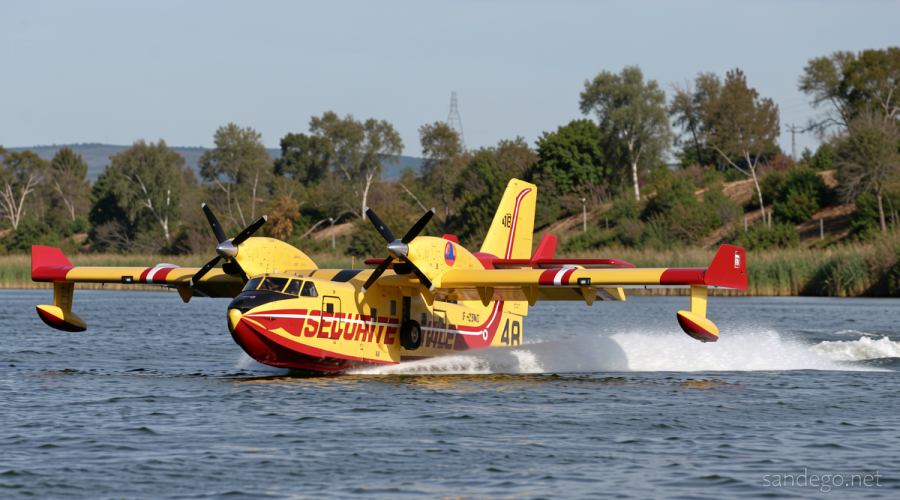
Sandego.net – Emergency response teams across France are battling a significant wildfire in the Fontainebleau forest, located south of Paris, as extreme temperatures sweep through Europe. The blaze has already consumed more than 800 hectares of woodland, equivalent to over three square miles of forest land. In a critical effort to contain the spreading flames, planes scoop up water directly from the nearby River Seine and drop it onto the burning areas. This aerial firefighting operation has been intensified as the heatwave continues to threaten multiple regions across the continent. The combination of high temperatures and dry conditions has created ideal circumstances for rapid fire expansion, prompting authorities to deploy additional resources to the affected zone.
Aerial Operations and Water Collection
The specialized firefighting aircraft involved in this operation have been working continuously to collect water from the Seine River and deliver it to the most active fire fronts. These planes are equipped with tanks that allow them to make multiple trips between the river and the burning forest, ensuring a steady supply of water reaches the ground where it is needed most. Firefighters on the ground coordinate with the aerial teams to maximize the effectiveness of each water drop. The strategy of using planes scoop up water from the Seine has proven particularly valuable given the proximity of the river to the affected forest area. This method allows for rapid response without requiring extensive ground-based water infrastructure.
French Interior Minister Laurent Nuñez has been actively monitoring the situation and communicating updates to the public. In a statement shared on social media on Sunday, the minister confirmed that investigators are examining whether the fire may have been started intentionally. The investigation remains ongoing as authorities gather evidence from the scene. Nuñez also highlighted that several other wildfires have broken out in different parts of France during the same period. These additional fires, while not as large as the Fontainebleau blaze, have contributed to the overall emergency response effort. The minister’s office has been coordinating with local authorities to ensure adequate resources are distributed across all affected areas.
Climate Connections and Regional Impact
While wildfires are a natural occurrence in many parts of Europe, experts emphasize that climate change is altering the pattern and intensity of these events. The current heatwave is part of a broader trend showing hotter and drier conditions arriving earlier in the year. Scientists note that these changing weather patterns are creating more favorable conditions for fire development and spread. The Fontainebleau fire is occurring during a period when temperatures have remained consistently elevated across much of Europe. This extended heat has dried out vegetation and soil, making the forest more susceptible to ignition and rapid fire growth. The situation in France mirrors challenges being faced in neighboring countries, particularly Spain, where similar conditions have triggered widespread fire activity.
The response to the Fontainebleau wildfire has involved multiple agencies working in coordination. Firefighters from various regions have been deployed to assist with containment efforts. Local residents have been advised to remain vigilant and follow any evacuation orders if necessary. The economic impact of the fire extends beyond the immediate forest area, affecting tourism and local businesses in the region. Authorities are working to assess the full extent of the damage once the fire is brought under control. The ongoing operation demonstrates the complexity of managing large-scale wildfires during extreme weather events.
As the situation develops, officials remain focused on containment and prevention of further spread. The use of aerial resources continues to be a cornerstone of the firefighting strategy. Communities in the region are being kept informed through regular updates from local authorities. The Fontainebleau fire serves as a reminder of the increasing challenges posed by climate-related disasters in Europe.