
Fact check: How can a country actually withdraw from NATO?
Fact Check: How Can a Country Actually Withdraw from NATO?
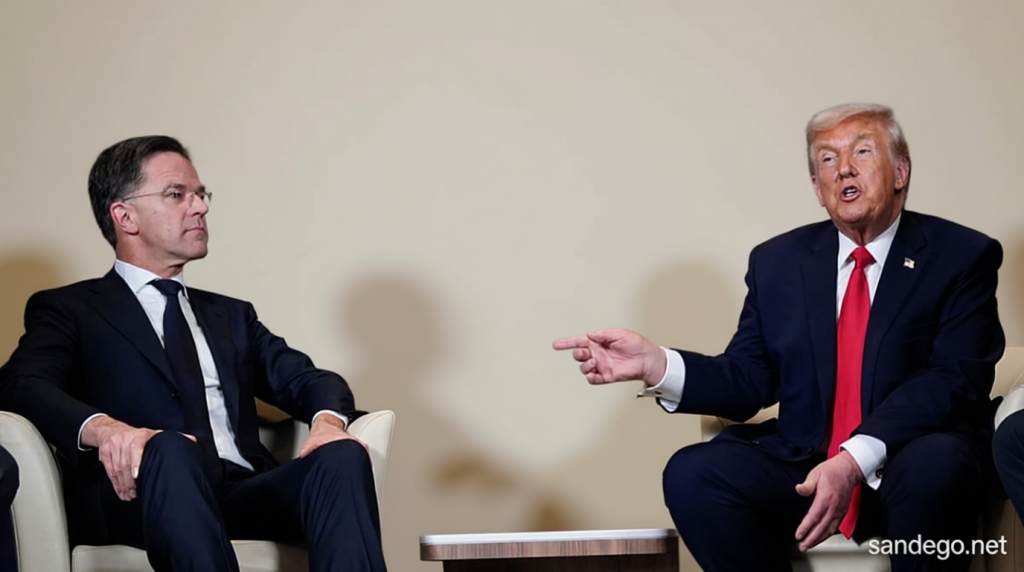
Recent weeks have seen U.S. President Donald Trump intensify his criticism of NATO, with his remarks growing sharper amid ongoing tensions in the Iran conflict. He has gone so far as to threaten removing the United States from the alliance, citing dissatisfaction with European allies and other Western partners who he claims have not taken sufficient action. This latest outburst, where he labeled NATO a “paper tiger,” followed NATO’s failure to respond to his call for a naval force to reestablish control over the Strait of Hormuz, which Iran has effectively sealed.
According to the 1949 North Atlantic Treaty, a nation can withdraw by officially notifying the U.S. government, which then forwards the notice to all other members. A year later, the withdrawal becomes official. While this process appears clear for European countries and Canada, it raises questions about the U.S. ability to exit the alliance, given its unique role as both a member and the treaty’s depositary.
The U.S. holds dual responsibilities under the treaty: managing the documents and handling withdrawal notifications. To formally leave, the administration would have to inform the State Department of its intent. It would then notify the other members, but the process isn’t entirely automatic. If the U.S. were to step back as the depositary, the remaining nations would likely vote to transfer those duties to another entity, requiring treaty amendments.
Domestic Legal Hurdles
Domestically, the U.S. faces additional barriers. In 2023, President Joe Biden signed an amendment to the Fiscal Year 2024 National Defense Authorization Act, which restricts a president from unilaterally ending NATO participation without Senate approval or a congressional act. This law prohibits the use of federal funds to support a withdrawal, making the process more complex.
“The law makes it formally very difficult for the president to take the U.S. out of the treaty,” said Rafael Loss, a policy fellow at the European Council on Foreign Relations, in an interview with Euronews’ fact-checking team, The Cube.
Loss noted that differing legal interpretations could emerge, especially if Trump attempted to bypass these constraints. Such a decision would likely escalate to the Supreme Court, with the government arguing that the president retains the authority to exit treaties independently.
Experts caution that even if the U.S. doesn’t formally withdraw, it could weaken NATO by drastically reducing its contributions and neglecting Article 5 obligations. “Trump can’t legally withdraw from NATO without Senate consent,” stated Ian Bremmer, founder of Eurasia Group, on X. “But if NATO members can’t trust the U.S. will uphold Article 5, the alliance is already broken in its most critical way.”
Loss echoed this sentiment, suggesting that a formal exit would cause significant disruption, but might be preferable to the uncertainty of a non-committed presence. “At least such a move would provide clarity and advance notice to other members,” he added, highlighting the potential for legal challenges over U.S.-related statutes, including budget commitments and defense policies.
