
Choc horror: Why ‘flavour’ bars and small packs are here to stay
Choc horror: Why ‘flavour’ bars and small packs are here to stay
Despite a significant decline in cocoa prices and a 20% reduction in sugar costs, chocolate-flavor bars and smaller packaging have remained a staple in the market. This shift began last year, when cocoa prices reached near-record highs, prompting manufacturers to adjust product descriptions and sizes to manage costs.
Labeling Changes Reflect Ingredient Shifts
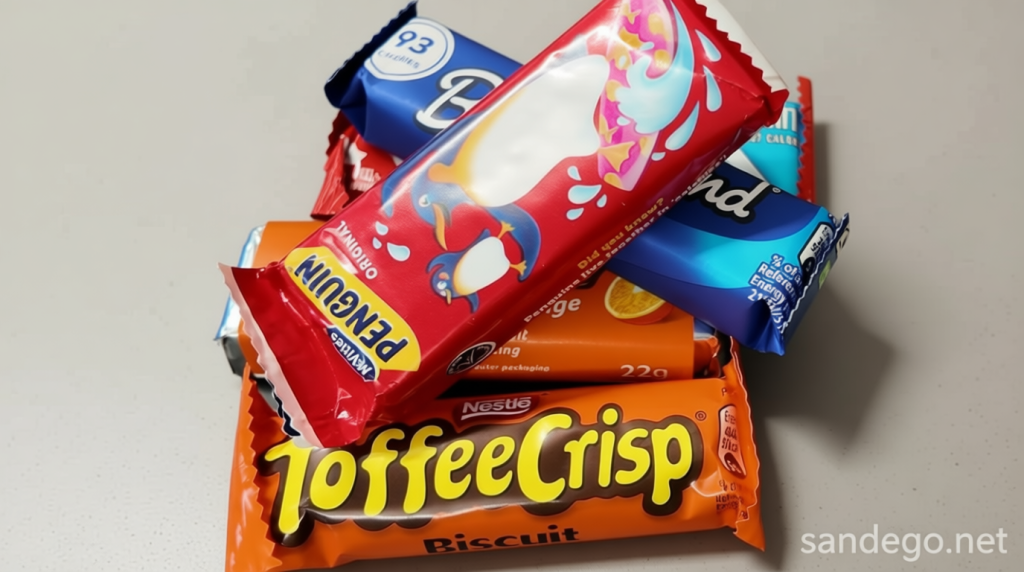
Several brands, including Toffee Crisp and Blue Riband, transitioned to “chocolate flavor” labels in December, as their cocoa content fell below the UK’s minimum requirements for milk chocolate. This change followed similar moves by McVitie’s Penguin and Club in October, while KitKat White and McVitie’s white digestives also rebranded ahead of 2025.
Shoppers have observed notable changes in product weight over the past year. Celebrations lost 150 grams between 2021 and 2025, despite higher prices. Cadbury’s Dairy Milk decreased by 20 grams in four years, and Toblerone was found to be 20 grams lighter in September. Quality Street tubs dropped from 600 grams to 550 grams at Christmas, while Terry’s Chocolate Orange shed 12 grams.
Multi-pack Adjustments and Contract Impacts
Multi-pack offerings also saw reductions. For instance, Freddo multipacks now include four bars instead of five, as do Cadbury Fudge packs. KitKat two-finger milk chocolate bars also decreased from 21 to 18 per pack. These changes reflect broader industry strategies to cut costs amid fluctuating raw material prices.
“There are currently no plans to make further recipe or weight changes to our individual confectionery products,” stated Nestle, the producer of Toffee Crisp, Blue Riband, Quality Street, and KitKat. “We’ve taken steps to mitigate high cocoa prices and maintain affordability.”
Pladis, which makes Penguin, Club, and White Digestives, confirmed no upcoming adjustments. Meanwhile, some companies like Terry’s, Mars (Celebrations), and Mondelez (Cadbury) did not respond to queries about their decisions.
Delayed Price Relief and Market Volatility
The recent cocoa price drop has arrived too late to offer savings this Easter. However, lower wholesale cocoa costs may influence Christmas-time pricing, as the ingredient’s price reached a low last seen in August 2023.
“Smaller chocolatiers with higher cocoa percentages might benefit from reduced prices, especially if these lows persist,” said Dominic Simler of UK manufacturer Playin Choc. “Multinationals, on the other hand, are less affected due to their lower cocoa content.”
While cocoa prices have fallen since May last year, many suppliers remain bound by contracts that don’t account for the recent cost drops. This has delayed potential savings for consumers. Gemma Whitaker, of Whitakers Chocolate in North Yorkshire, noted that procurement decisions won’t reflect these changes until mid-2026, with further adjustments expected by 2027.
Compounding the issue, the Middle East conflict is driving up ingredient costs. This means Easter egg prices rose 9% compared to 2025, according to Worldpanel data, despite the favorable cocoa market.
