Putin Rebuffs Zelensky’s Call for Talks, Citing ‘No Point’
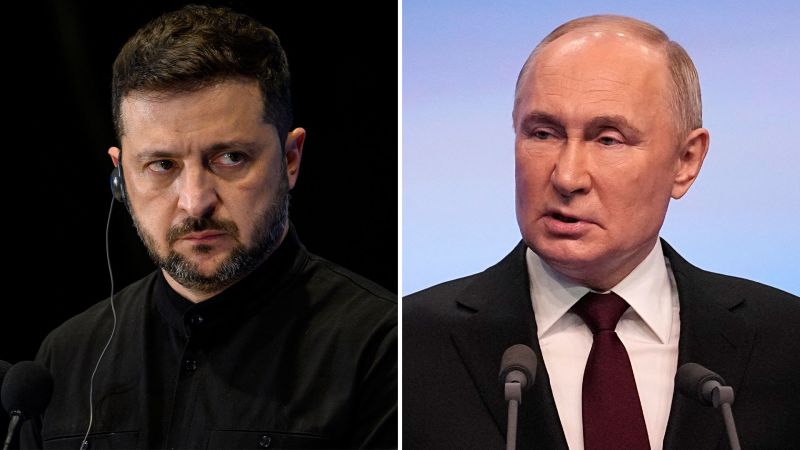
Sandego.net – At the St. Petersburg International Economic Forum, Russian President Vladimir Putin reportedly declined Ukrainian leader Volodymyr Zelensky’s request for direct negotiations, stating there was “no point” in holding a meeting. The decision, made amid a backdrop of high-level discussions with Russian business leaders, followed Zelensky’s release of an open letter advocating for a ceasefire. While a Kremlin spokesperson suggested Zelensky could still visit Moscow for dialogue, Putin’s dismissal underscored the continued impasse in the war. The choice to reject face-to-face talks highlights the tension between the two nations, as Zelensky pushes for peace while Putin remains steadfast in his stance.
Zelensky’s Strategic Appeal
Zelensky’s open letter, delivered during the forum, was designed to pressure Putin into recognizing the war’s toll on Russia’s economy and society. The timing was chosen to maximize exposure to Russian elites, many of whom have grown increasingly critical of the conflict’s long-term viability. In the letter, Zelensky emphasized that peace should not be postponed by Western interests, particularly those focused on Iran. He also pointed to Putin’s history of delaying deadlines, warning that the war would continue to drain Russia’s resources. “You will not capture it this year either,” he wrote, signaling a pivot from military dominance to diplomatic outreach.
“When the war grows tired, change comes.”
Putin’s refusal to meet in person has drawn attention to the disparity in their approaches. Zelensky’s push for a third-party venue aimed to reduce Russian resistance, framing the meeting as a neutral step toward resolving the conflict. Meanwhile, the Russian leader reiterated his position, dismissing the idea of a summit as unnecessary. His remarks, however, were met with skepticism from some analysts, who argue that the lack of a meeting could hinder progress in negotiations. The standoff reflects broader geopolitical dynamics, with each side weighing the potential benefits and risks of direct engagement.
Russian Economic Pressures and Internal Debates
As Russia faces mounting economic strain, internal discussions about the war’s sustainability have intensified. Leaders like German Gref of Sberbank have acknowledged the country’s financial challenges, calling continued growth a “miracle.” These comments align with reports from the International Institute for Strategic Studies, which suggest the Kremlin may soon need to balance its demands with realistic objectives. Yet, Putin remains unyielding, framing sanctions as “theft” and blaming the West for escalating the conflict. His stance, however, appears to clash with growing unease among Russian elites, who are increasingly concerned about the war’s impact on domestic stability.
Despite the economic warnings, the Russian government has not shown signs of backing down. Deputy Prime Minister Alexander Novak described the economy as “in a state of controlled cooling,” a phrase that contrasts with the urgency of Zelensky’s calls for peace. The persistence of Putin’s maximalist approach raises questions about the future of the war, with some experts predicting a potential shift in strategy if the conflict continues to escalate. The meeting’s absence may also signal a broader reluctance to compromise, as Russia seeks to maintain its narrative of resistance and territorial claim.
Ukrainian Advances and Global Attention
Ukraine’s military gains in key frontline areas have added momentum to Zelensky’s diplomatic efforts. Enhanced capabilities to strike deep within Russian territory, including energy infrastructure, have forced Moscow to reconsider its war objectives. These tactical successes have not only bolstered Kyiv’s position but also drawn international scrutiny, with the conflict’s reach now extending beyond Ukraine’s borders. The recent attacks on St. Petersburg, for instance, have highlighted the war’s global implications, reinforcing the need for a broader dialogue.
While Putin’s refusal to meet may seem obstinate, it also reflects a calculated risk. By maintaining control over the narrative, he aims to solidify support for the war within Russia, even as external pressures mount. Zelensky’s proposal for a third-party meeting, however, has the potential to reframe the discussion, emphasizing collaboration over confrontation. The absence of a meeting in St. Petersburg could also serve as a reminder of the strategic importance of timing in diplomacy, as the Ukrainian leader seeks to capitalize on shifting political and economic tides.