
Trump officials acknowledge they can’t promise to reopen Strait of Hormuz before ending Iran war
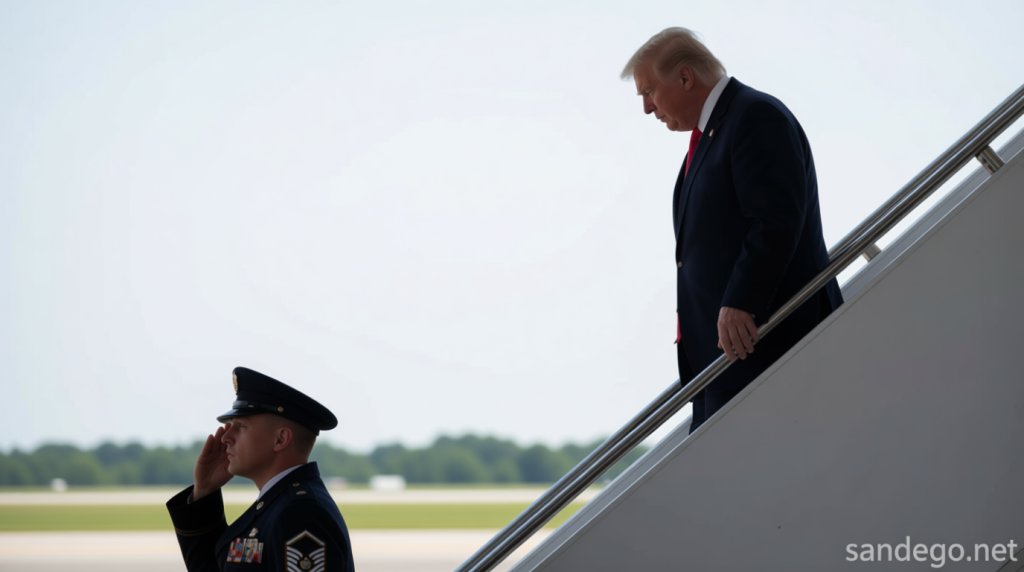
Trump Officials Admit Reopening Strait of Hormuz Before Ending Iran War Is Uncertain
White House insiders suggest President Donald Trump and his team are no longer certain they can guarantee the Strait of Hormuz will be reopened before the conflict with Iran concludes. Sources close to the discussions reveal the administration is increasingly convinced that achieving this goal within Trump’s self-set timeframe is improbable. While the strait remains a strategic priority, officials stress it may take weeks or even months to fully restore its operations.
Strait’s Reopening Critical for Economic Recovery
Within the Trump administration, there is consensus that restoring the oil passage is essential to ending the war and stabilizing rising fuel costs. These elevated prices, which have become a major challenge for the Republican Party in upcoming midterms, are seen as a significant liability. However, the president’s strict deadline of four to six weeks complicates efforts to balance military progress with economic promises.
“What happens to the strait, we’re not going to have anything to do with it,” Trump declared in the Oval Office, following his assertion that the war would last two to three weeks. This sentiment underscores his willingness to shift responsibility to other nations, particularly those reliant on the strait’s oil flows. “They’ll drop when we leave, when it’s over,” he reiterated during a CBS News interview, dismissing concerns about prolonged price spikes.
Trump’s Push for Allied Involvement
Trump has actively urged US allies to deploy their own naval forces to protect tankers in the strait, framing it as a shared burden. His frustration grows as nations like the United Kingdom have yet to commit, despite his public calls for self-reliance. “Build up some delayed courage, go to the Strait, and just TAKE IT,” he wrote on Truth Social, emphasizing that the U.S. would no longer provide support.
Despite his confidence, the administration acknowledges delays. A White House spokesperson noted measures like lifting Russian oil sanctions and coordinating oil releases, but admitted the strait’s reopening hinges on Iran’s military capabilities. “The President is confident that the Strait will be opened very soon,” the statement claimed, while highlighting ongoing efforts to counter Iranian threats.
European leaders, who were not initially involved in US strikes on Iran, remain cautious. They view Trump’s demands as a way to transfer the conflict’s consequences to them. Meanwhile, nations have pledged cooperation in patrolling the strait, though no specific timelines have been established. The challenge lies in aligning these commitments with the administration’s timeline for concluding the war.
“When Operation Epic Fury is complete, gas prices will plummet back to the multi-year lows American drivers enjoyed before these short-term disruptions,” stated Leavitt, a key advisor, in response to concerns about price volatility.
While Trump’s public rhetoric emphasizes a swift resolution, internal assessments suggest a more complex reality. The administration continues to engage with allies, recognizing the need for collaborative strategies to address the strait’s security and economic implications.
