
Iran says it will ‘facilitate and expedite’ humanitarian aid through Strait of Hormuz
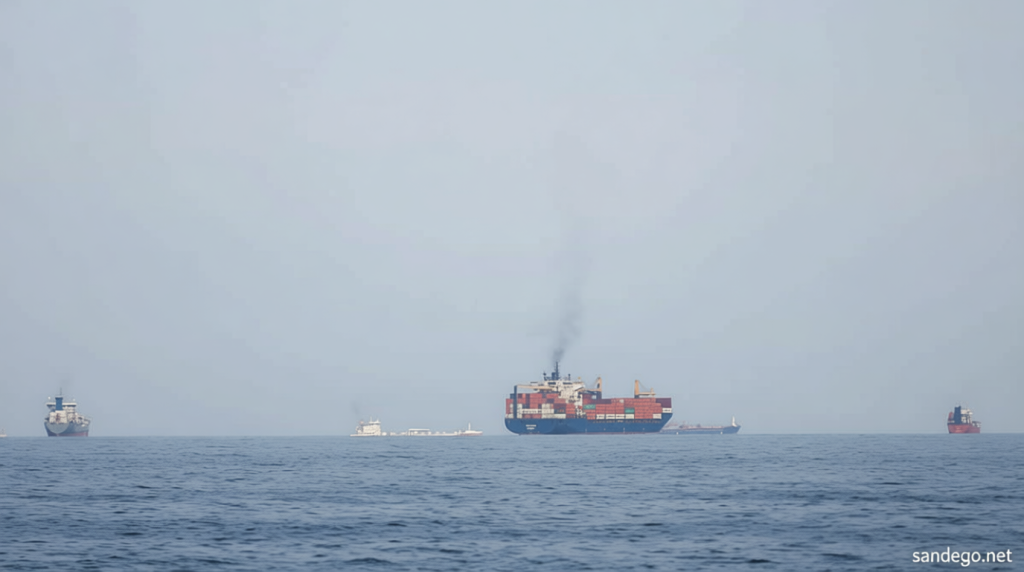
Iran Commits to Speeding Humanitarian Aid via Strategic Waterway
On March 27, 2026, the Iranian ambassador to the United Nations in Geneva, Ali Bahreini, announced that Tehran would “streamline and accelerate” the passage of humanitarian aid through the Strait of Hormuz. This agreement coincided with the day Iran’s nuclear installations faced aerial assaults. The initiative marks the first progress in aid distribution at the vital shipping route since the conflict began a month prior.
While global markets and governments have centered attention on disrupted oil and natural gas flows, the limitation of fertilizer supplies poses a significant threat to global agriculture and food stability. “This action underscores Iran’s ongoing dedication to advancing humanitarian missions and ensuring timely delivery of vital supplies,” Bahreini stated in a social media post.
UN Task Force Addresses Aid Delivery Challenges
Following the strikes, the UN unveiled a specialized team to tackle the broader impacts of the war on aid logistics. The announcement came shortly after Iranian state outlets confirmed two nuclear sites had been targeted. Israel, which had vowed to “escalate and broaden” its campaign against Tehran, took credit for the attacks. Iran swiftly vowed retaliation, linking the strikes to U.S. President Donald Trump’s extension of diplomatic deadlines.
“Attack contradicts POTUS extended deadline for diplomacy,” Iranian Foreign Minister Abbas Araghchi wrote on X.
“Iran will exact HEAVY price for Israeli crimes.”
Targeted Facilities and Their Significance
The Shahid Khondab Heavy Water Complex in Arak and the Ardakan yellowcake production plant in Yazd Province were the main targets, according to IRNA. The strikes resulted in no casualties or environmental contamination. The Arak facility has remained out of commission since its destruction in June 2025. Yellowcake, a refined uranium product, is crucial for nuclear fuel. Heavy water, used in reactors as a moderator, was also compromised in the attack.
Israeli military sources noted that the Yazd plant processes raw materials essential for uranium enrichment, emphasizing the strike’s impact on Iran’s nuclear program.
International Reactions and U.S. Military Moves
Despite the attacks, the International Atomic Energy Agency urged “caution” to prevent nuclear incidents, citing no rise in off-site radiation levels. Diplomats from Pakistan and Turkey attempted to broker a direct dialogue between U.S. and Iranian representatives. Meanwhile, G7 foreign ministers convened in France and demanded an immediate cessation of attacks on civilian populations and infrastructure.
Concurrently, U.S. military vessels approached the region, carrying 2,500 Marines and 1,000 paratroopers from the 82nd Airborne. These forces are prepared to secure key locations and airfields in hostile environments. However, Secretary of State Marco Rubio indicated that most U.S. goals in the region are “on track” and can be met without deploying ground troops.
