Egypt’s World Cup Heartbreak: A Match Defined by Controversy and Outrage
Explained – After nearly four weeks of relentless tournament football, the World Cup has finally paused. No matches are scheduled for today as squads gather their strength ahead of Thursday’s quarterfinal clashes. This brief respite feels particularly well-deserved following yesterday’s dramatic encounters that left fans worldwide emotionally spent.
While the global spotlight centered on Mercedes-Benz Stadium, where Argentina orchestrated what supervising editor Kyle Feldscher termed a near-miraculous comeback, Egyptian supporters experienced something far more devastating. As the world celebrated yet another Lionel Messi masterclass, those backing Egypt found themselves grappling with disappointment and mounting anger.
A Perfect Storm of Discontent
The timing could not have been worse for FIFA. Already navigating headlines surrounding Donald Trump’s unexpected red card intervention and various organizational controversies, the governing body now faced fresh allegations of bias and potential manipulation. Egypt’s elimination from the tournament through what many perceived as questionable officiating threatened to amplify existing criticisms.
The Egyptians entered their Round of 16 fixture with confidence, establishing a commanding 2-0 advantage before the half-hour mark. Their second goal, scored just before the hour, appeared to seal their progression. However, celebration quickly transformed into despair as VAR technology intervened in controversial fashion.
After Egypt’s players embraced what seemed certain to be a legitimate goal, anxiety set in during the review process. The video assistant referee ultimately disallowed the strike, citing a foul on Lisandro Martínez that preceded the ball recovery. While most observers acknowledged the infraction occurred, many questioned whether such a marginal incident warranted VAR involvement.
Defiance and Determination
Despite this setback, Egypt demonstrated remarkable resilience. Mostafa Ziko capitalized on the momentum to restore their two-goal cushion, seemingly putting Argentina’s tournament hopes in jeopardy. Yet the defending champions refused to surrender, unleashing a devastating three-goal burst within thirteen minutes. Enzo Fernández’s strike in the third minute of stoppage time completed the remarkable reversal.
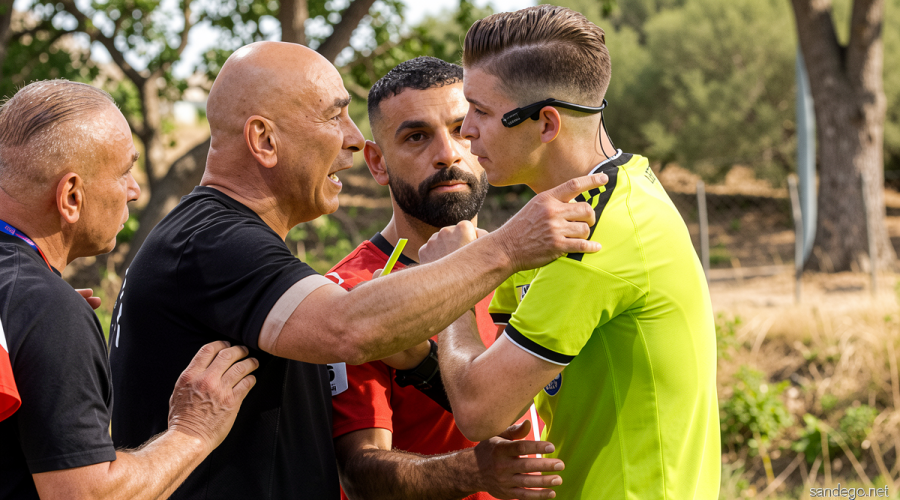
The Egyptian technical area erupted in fury, convinced they had been denied a crucial penalty during the buildup to Argentina’s decisive goal. Replay footage revealed Mohamed Salah falling in the penalty area after Julián Álvarez made contact with the ball before the Egyptian winger went down. VAR’s decision not to initiate a review left Egyptian officials apoplectic.
“We have been treated unfairly today,” Hassan told reporters after a match that ended in a flurry of cards for the Egyptian players and coaching staff who confronted the referee. “We have suffered injustice.”
Compounding the frustration, the Egyptian bench had already lodged a penalty appeal regarding an incident involving Alexis Mac Allister and Hamdy Fathy moments earlier. Both appeals went unaddressed by the officiating team, fueling perceptions of systematic bias.
Escalating Tensions
Hossam Hassan’s post-match comments revealed the depth of Egyptian disappointment. The head coach criticized the lack of respect and fair play, emphasizing that a second potential penalty was never examined by VAR. His emotional response on the touchline included making a distinctive cross gesture with his arms—a symbol FIFA introduced to alert officials to potential racist incidents.
“There has not been respect or fair play because a penalty was ruled out,” Hassan added. “A second ball that should have been called as a penalty for us was not even checked by the VAR.”
The Egyptian coach’s frustration reached such heights that he announced plans to withdraw from following the tournament entirely. “I promise you, from the moment I go back, I’m not going to continue following the matches of this FIFA World Cup,” he declared. “This is my internal fight, my internal objection, my own way of speaking up and standing up.”
Egypt’s football federation has formally requested that FIFA investigate the match officials and potentially remove them from the remainder of the tournament. While Egyptian supporters can certainly feel aggrieved by decisions that went against them, the broader implications of these controversies extend far beyond a single elimination.
As the World Cup progresses toward its climax, questions about officiating consistency and fairness will undoubtedly resurface. The Egyptian experience serves as a reminder that even in the beautiful game, moments of brilliance can be overshadowed by controversy—and that sometimes, the heartbreak comes not from defeat, but from how that defeat was decided.