
WHO warns of health crisis ‘unfolding in real time’ across Middle East
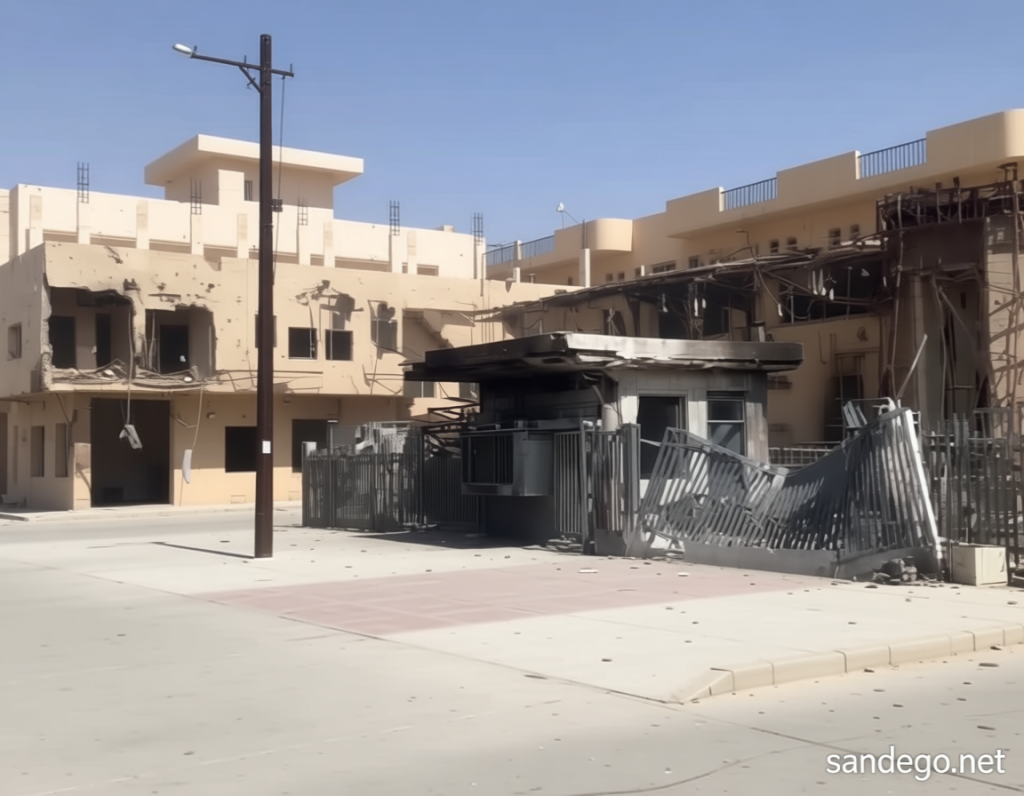
WHO warns of health crisis ‘unfolding in real time’ across Middle East
The World Health Organization’s regional chief has called for an immediate halt to violence in the Middle East to prevent a “health emergency escalating in real-time.” Dr. Hanan Balkhy, WHO’s Eastern Mediterranean regional director, emphasized that healthcare facilities must be shielded from harm, urging global actors to protect them. She highlighted the urgent need for updated protocols in response to potential threats to nuclear installations, stating that strikes on water desalination plants could lead to a severe humanitarian disaster.
Regional Impact
The crisis spans 22 nations and territories, including Iran, Gulf states, Gaza, Sudan, Afghanistan, and Pakistan. Balkhy noted that the situation has worsened significantly, with real-time evidence of a regional health emergency unfolding across multiple fronts. “What we’re witnessing today is not just loss of life but a collapse of healthcare access in ways far beyond our expectations,” she said, underscoring the multidimensional consequences of ongoing conflicts.
Healthcare Disruption
“It’s not just about lives being lost. It’s about a collapse of access [to healthcare] in many, many dimensions way above and beyond what we would have imagined.”
According to official reports, the US-Israel conflict with Iran has caused over 1,000 deaths in Lebanon, more than 1,500 in Iran, and 16 in Israel. Additional casualties were recorded in the West Bank and Gulf Arab states. Balkhy stressed that chronic illness patients face treatment interruptions due to hospital closures and mass displacement, with 3.2 million people uprooted in Iran and over 1 million in Lebanon within a month.
Nuclear Threats
Dr. Balkhy expressed deep concern over the possibility of nuclear sites being struck, whether by design or accident. She warned that targeting desalination plants could leave millions in the Gulf region without access to clean water, exacerbating the crisis. The WHO is collaborating with other UN agencies to develop strategies to mitigate such outcomes, should they occur.
International Law Compliance
“In the past, people in war-torn countries would go and hide in hospitals because they were sure it would not be bombed. That’s not the case any more.”
She criticized the current disregard for international humanitarian law, which protects healthcare infrastructure. Balkhy pointed to the recent attack on El-Daein teaching hospital in East Darfur, Sudan, which killed at least 70 individuals, including 13 children, and rendered the facility inoperable. This underscores the urgent need to restore compliance with protections for medical facilities.
Neglected Crises
Balkhy also highlighted that the crises in Gaza, Sudan, and Yemen have been overshadowed by global focus on the US-Iran conflict. “It is very distressing because, behind that neglect, there’s a lot of hardship and death that is going unrecognised,” she remarked. The WHO has documented numerous attacks on healthcare infrastructure in Lebanon, Iran, and Israel since the war began, emphasizing the worsening toll on vulnerable populations.
