
Middle East violence continues after Trump claims ‘very good’ talks with Iran
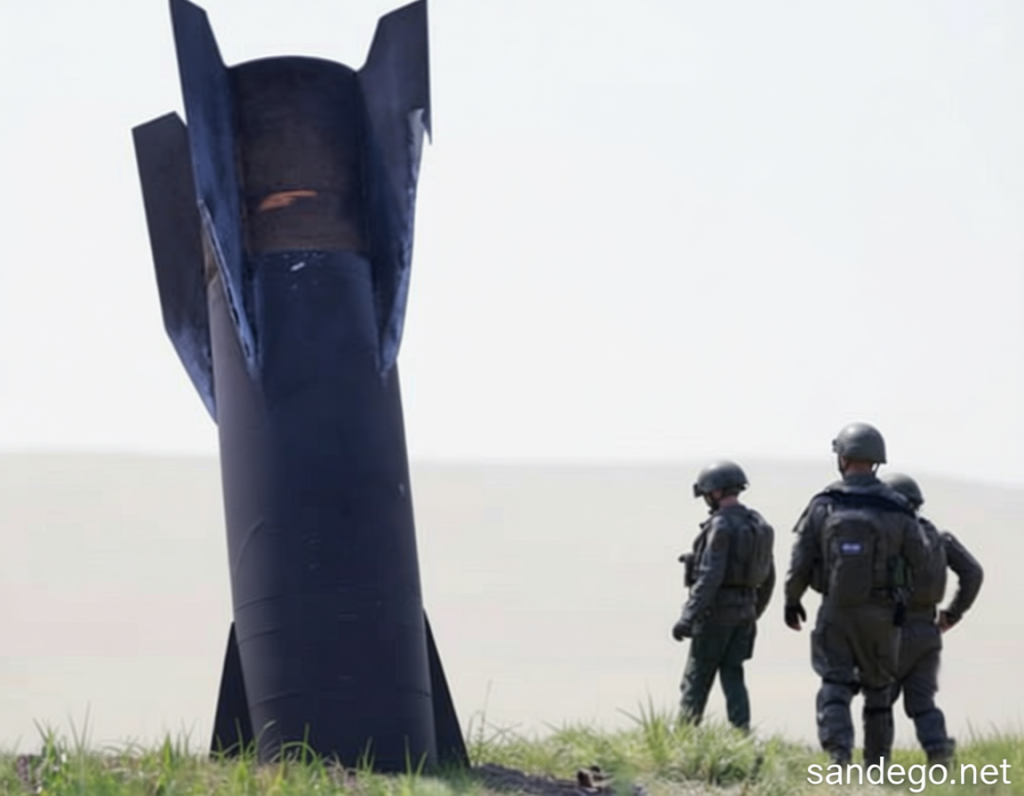
Conflict Persists Amid Trump’s ‘Very Good’ Talks with Iran
Hostilities in the Middle East remain high following Donald Trump’s assertion that the US is engaged in “very good” discussions with Iran to halt the regional war. On Tuesday, Iranian missile strikes targeted Israel, Gulf Arab states, and northern Iraq, while Israeli and American air operations continued to hit sites in Tehran and other Iranian locations.
Tehran’s official sources have rejected claims of ongoing negotiations. Mohammad Bagher Ghalibaf, a key Iranian parliament figure, posted on social media:
“No negotiations have been held with the US … fake news is used to manipulate the financial and oil markets.”
The nation’s skepticism toward US talks stems from prior discussions before a surprise attack that killed Supreme Leader Ali Khamenei and numerous senior officials. Similar talks occurred last year when the US and Israel launched strikes against Iran’s nuclear sites, sparking a 12-day conflict.
Diplomatic Moves Amid Tensions
Despite Iran’s denials, potential intermediaries such as Pakistan, Oman, Egypt, and others have signaled efforts to open communication lines between Washington and Tehran. Analysts suggest internal disagreements among Iran’s top officials may fuel the defiant responses. Iran’s foreign minister, Abbas Araghchi, has recently engaged with diplomats from Azerbaijan, Egypt, Oman, Pakistan, Russia, South Korea, Turkey, and Turkmenistan.
In Islamabad, officials hinted at a meeting involving Iranian representatives and Trump’s envoy, Steve Witkoff, alongside Jared Kushner and JD Vance. A European diplomat told Reuters that while direct talks between the US and Iran have not yet occurred, Egypt and Gulf nations are acting as intermediaries. The renewed diplomatic activity followed weekend threats of strikes that could disrupt electricity and desalination plants in the Gulf region.
Escalation and Immediate Fallout
On Monday, Trump postponed a deadline for Iran to open the Hormuz Strait to shipping or face airstrikes on its power stations, briefly lowering oil prices. The new deadline is set for Friday. Meanwhile, the US continues to deploy military assets to the region, with around 5,000 marines en route. Iranian media reported Tuesday that Israeli-US strikes damaged two gas facilities and a pipeline, hours after Trump scaled back his threat to target Iran’s infrastructure.
In Tel Aviv, a missile with a 100kg warhead bypassed defenses, striking a central city street and damaging a nearby building. In Beirut, Israeli airstrikes targeted Hezbollah-linked infrastructure, killing at least two people in a residential area southeast of the capital. Kuwait experienced power outages from air defense shrapnel, while Bahrain sounded missile alerts. Saudi Arabia’s defense ministry confirmed it downed 19 Iranian drones attacking its Eastern province.
Benjamin Netanyahu stated that Israel will continue its strikes on Iran and Lebanon, where Hezbollah is a key target. “There’s more to come,” he said, underscoring the ongoing military posture despite tentative diplomatic gestures. Iranian media highlighted the attacks in central and southern Iran, though they did not cite sources for the damage reports.
