California Radiologist’s Charges Dropped After Completing Mental Health Program
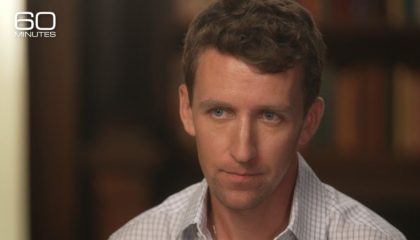
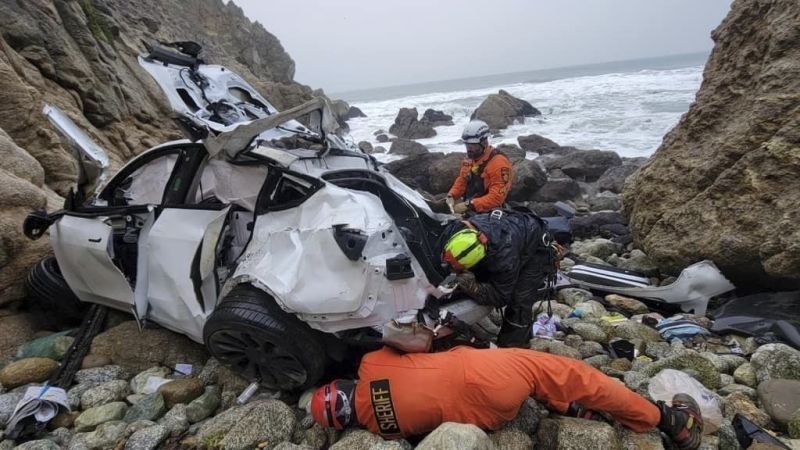
Sandego.net – California radiologist Dharmesh Patel’s charges were dropped on Monday by a San Mateo County judge, following his successful completion of a two-year mental health diversion program. The case revolved around a 2023 incident where Patel allegedly drove his Tesla off a 250-foot cliff along the Pacific Coast Highway, narrowly avoiding a fatal crash that injured his wife and two young children. The decision to dismiss the charges was announced by San Mateo County District Attorney Steve Wagstaffe, who confirmed that the program had fulfilled its requirements.
Crash on the Pacific Coast Highway
The accident occurred on January 2, 2023, during a family trip in the Bay Area. Patel’s vehicle plummeted from the highway’s edge, leaving the family shaken and hospitalized. All four individuals—his wife and two children, aged 4 and 7 at the time—survived, with officials calling the event an “absolute miracle.” Patel’s wife later expressed forgiveness, stating the children had missed their father and wished for his return home.
Patel was initially arrested and held without bail, spending months in custody before being released in 2024 to undergo outpatient therapy. The court determined his eligibility for mental health diversion, a legal option introduced in California in 2023. His defense team argued that his episodic major depression and hallucinations at the time of the crash contributed to the incident.
Legal Strategy and Rehabilitation
Patel’s treatment included weekly sessions with a Stanford psychiatrist and family therapist, as well as surrendering his driver’s license and passport. A GPS bracelet monitored his movements to ensure compliance. The program allowed him to avoid trial, though prosecutors had previously opposed the diversion, citing the severity of attempted murder charges.
Wagstaffe explained that once Patel completed the program, his criminal record would be cleared. “If the person follows the treatment plan, there’s nothing that can be done,” he said. However, legal officials remain divided on whether such cases should qualify for mental health diversion. The decision highlighted the balance between rehabilitation and criminal accountability.
Family’s Role in the Outcome
Patel’s wife played a key role in the case, testifying during the trial and advocating for his mental health program. She described the emotional impact of the crash, noting how her children had been affected by their father’s absence. The family’s support helped secure the diversion, allowing Patel to reintegrate into daily life.
Before the dismissal, Patel lived with his parents in San Mateo County, where his movements were closely tracked. The court permitted him to spend time with his family and take them on drives, which he believed were essential for his recovery. During his arrest, Patel shared with a psychiatrist a delusion that his children were at risk of being trafficked, a belief that may have influenced his actions on the day of the crash.
Aftermath and Future Implications
After the dismissal, Patel joined his wife in the courtroom gallery, signaling the end of his legal journey. His career as a radiologist was temporarily impacted, with the Medical Board of California barring him from practice while he faced attempted murder charges. The board later confirmed the decision, acknowledging the incident as a critical event in Patel’s life.
The case has sparked debate about mental health diversion laws in California. While some support the program for its rehabilitative benefits, others argue that it may understate the gravity of the offense. Patel’s experience now serves as a point of discussion in ongoing legislative efforts to refine the criteria for such legal provisions.