
Why a delayed Xi-Trump summit could give China a stronger hand
Why a delayed Xi-Trump summit could give China a stronger hand
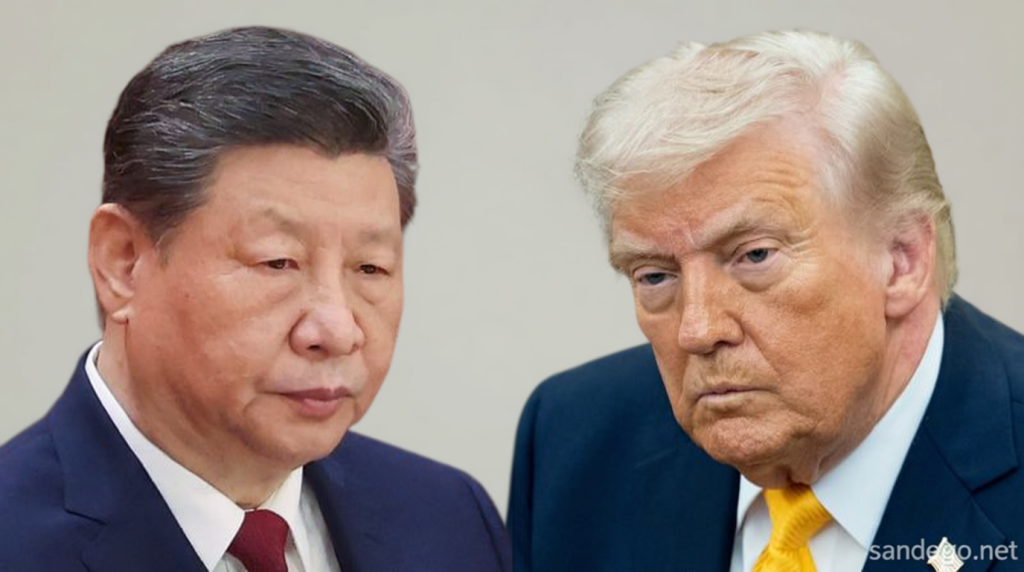
According to Chinese analysts, the postponement of Donald Trump’s summit with Xi Jinping might advantage Beijing, especially amid the ongoing US-Iran conflict. The delay could allow both nations to avoid complications tied to the war, which has raised concerns about oil supply disruptions and global economic stability. If Trump’s administration struggles to resolve the crisis, it may weaken his position during future negotiations, experts suggest.
Beijing has not officially confirmed the summit, which was initially planned for March 31 to April 2. The White House proposed a five- to six-week postponement, but Chinese officials have remained cautious, offering only vague comments. Foreign Ministry spokesperson Lin Jian emphasized the summit’s importance, calling it “irreplaceable” for shaping the U.S.-China relationship. However, sources close to the situation hint at uncertainty, with the meeting possibly not proceeding as originally intended.
“If the war in Iran causes significant harm to Chinese citizens or damages key assets in the region, Trump’s ability to push forward with the summit will be compromised,” said one anonymous Chinese source, highlighting Beijing’s potential red lines.
China has been closely tracking the situation in the Gulf, particularly after the U.S. launched its surprise attack on Iran before the scheduled summit. The delay could reflect the Trump administration’s strategy, signaling that the war may not end quickly. “The longer the conflict lingers, the more evident Trump’s frustration becomes, and his vulnerabilities will grow,” noted Wu Xinbo, a scholar at Fudan University and member of China’s Foreign Ministry advisory group.
Some in Beijing argue that Trump’s position has already weakened following the U.S. Supreme Court’s decision to overturn his emergency tariffs in February. The Iran war has also divided public opinion in the U.S., with prolonged hostilities risking his support among voters. “He aimed to resolve the issue swiftly, but time has shown otherwise,” Wu added.
“The war has positioned China as a more dependable alternative to the U.S., especially as global partners grow wary of Washington’s unpredictability,” remarked Rana Mitter, a U.S.-Asia relations expert at Harvard Kennedy School. “This perception is something Beijing can leverage before and after the summit.”
While the conflict may strain global markets, it also provides China with an opportunity to reshape its international image. Experts suggest the country is capitalizing on this moment to strengthen its diplomatic and economic standing, even as it faces economic challenges from the war’s fallout.
