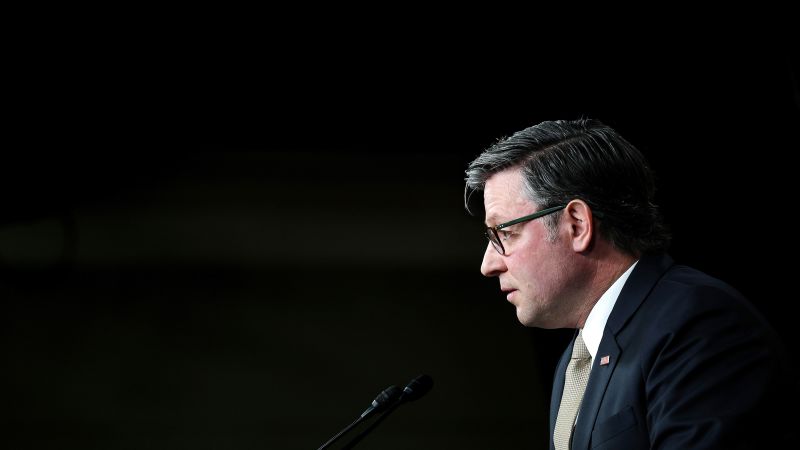
Johnson Aims to Pass Trump’s Voter ID Bill Amid GOP Challenges
Sandego.net – House Speaker Mike Johnson has vowed to push the passage of President Donald Trump’s voter ID legislation despite internal Republican Party resistance. The speaker confirmed to Fox News that the House will advance the bill through a budget reconciliation process, acknowledging the hurdles posed by a recent GOP revolt. Johnson emphasized that the legislation is a top priority for both the administration and his leadership, positioning it as a key component of Trump’s broader electoral reforms.
Strategic Maneuvers During July Fourth Break
Johnson’s decision to call lawmakers home for the July Fourth recess has sparked debate within the party. While some Republicans viewed the break as a chance to campaign in their districts, others saw it as a tactic to accelerate the bill’s approval. “I felt it was best to send everyone home to celebrate the holiday in their districts,” Johnson stated, adding that the House would reconvene to finalize the measure. This approach underscores the speaker’s commitment to overcoming opposition and ensuring the legislation moves forward.
Trump’s SAVE America Act, central to his voter ID agenda, has drawn criticism from a faction of conservative lawmakers who argue it should not be delayed. Last week, Florida’s Anna Paulina Luna led a group of Republicans in blocking a procedural vote, citing the need to send the bill directly to the president’s desk. This setback forced Johnson to adopt a more aggressive strategy, leveraging budget reconciliation to bypass Senate filibuster rules and secure the legislation.
Budget Reconciliation as a Legislative Tool
Johnson highlighted the House’s repeated approvals of the voter ID bill as a strong foundation for its Senate passage. “We’ll attempt one more push via budget reconciliation, which should help us get it through the Senate,” he said, noting that this process requires only a simple majority. By aligning the bill with budget-related measures, Johnson aims to minimize the need for bipartisan support and expedite its final approval.
The president has reiterated his backing for the legislation during a recent speech on the National Mall, framing it as essential for restoring American electoral integrity. “We want to keep America great, and the SAVE America Act is a vital step in achieving that,” Trump asserted. This message reinforces the shared goal between the House and the White House, even as Senate Republicans debate the bill’s procedural viability.
Senate Rules and Filibuster Concerns
Senate Republicans remain divided on whether the SAVE America Act can be advanced via budget reconciliation. The chamber’s strict rules, which limit eligible legislation, have already tested GOP cohesion. Earlier this year, Senate parliamentarian Elizabeth MacDonough ruled that Trump’s bill did not meet reconciliation criteria, setting a precedent that some lawmakers fear will hinder progress.
Johnson argued that Senate rules are a temporary constraint, urging his party to remove the filibuster to streamline the process. “When Democrats control the Senate, they’ll end it. We should act first,” he stated in a recent interview. This stance reflects a growing push within the GOP to adopt structural changes that align with their legislative goals, even as debates over the filibuster continue.
Combining Bills for Broader Support
As House members returned from the recess, Johnson unveiled a strategy to pair the SAVE America Act with a bipartisan defense bill. This move is intended to bolster the legislation’s chances of Senate passage by securing additional support. By linking the voter ID measure with other priorities, Johnson hopes to create a coalition that can override procedural objections and ensure the bill becomes law.