France Triumphs Over Paraguay in Narrow Round of 16 Clash: Highlights from Saturday’s World Cup Action
France ekes past Paraguay and everything – Saturday’s Round of 16 matches delivered a mix of resilience, tactical brilliance, and high-stakes drama as the World Cup continued to unfold in unpredictable fashion. In a game that showcased both grit and strategy, France narrowly defeated Paraguay 1-0, advancing to the quarterfinals. Meanwhile, Morocco’s 2-1 victory over Canada in Houston ensured the North African side would face the French in the next stage of the tournament. The day’s proceedings were defined by intense battles, pivotal moments, and the enduring pressure of progression in a fiercely competitive bracket.
France’s Persistent Push Against a Tenacious Paraguay
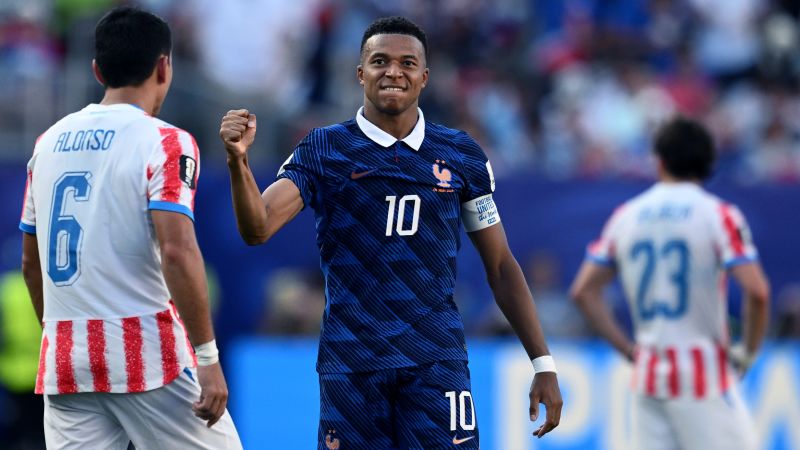
France’s encounter with Paraguay in Philadelphia was a test of patience and precision. The match, played under sweltering conditions with temperatures reaching approximately 100 degrees Fahrenheit, saw the French squad dominate possession early on, controlling the ball for 89% of the first five minutes. Yet, despite their numerical advantage, breakthroughs were elusive as La Albirroja’s defense held firm. Les Bleus, led by their star striker Kylian Mbappé, pressed relentlessly, but Paraguay’s organized play and physicality frustrated their attempts to create clear chances.
“Keep it up,” urged Paraguay coach Gustavo Alfaro during the halftime break, as his team’s tenacity became a hallmark of the match. The same sentiment could have been echoed by France’s manager Didier Deschamps, who sought greater urgency from his players after a lackluster first half.
France’s attacking thrust came to life in the 32nd minute when Ousmane Dembele delivered a pinpoint cross into the box, setting up Mbappé for a potential opener. However, Paraguay’s Diego Gómez slightly nudged the Real Madrid forward, disrupting his timing and forcing a missed shot. The incident sparked a brief altercation in the 34th minute, as Andrés Cubas fouled Mbappé and the Frenchman retaliated, revealing the frustration of a squad accustomed to dominant displays but struggling to break down a disciplined opponent.
As the second half began, the tempo picked up, with France’s relentless pressure eventually bearing fruit. In the 52nd minute, a defensive error allowed Mbappé to charge downfield, receiving a pass from goalkeeper Mike Maignan. The striker, however, hesitated, giving Paraguay’s backline time to recover. The breakthrough came in the 70th minute when a VAR review confirmed a penalty on Désiré Doué, a critical moment that shifted the momentum. Mbappé, ever the consummate performer, calmly converted the spot-kick, securing his seventh goal of the tournament and overtaking Lionel Messi in the Golden Boot race due to his assist tally.
Despite the narrow margin of victory, France’s ability to maintain control under extreme conditions was a testament to their adaptability. The team’s midfield orchestrated a relentless attack, while the defense held strong against Paraguay’s counterpressing threats. The final moments saw both sides searching for an equalizer, but France’s composure proved decisive. By the 97th minute, Mbappé almost sealed the result with a powerful shot, though the ball was saved by Paraguay’s Orlando Gill, sending the stadium into a frenzy of celebrations and despair.
Morocco’s Defiant Victory Over Canada
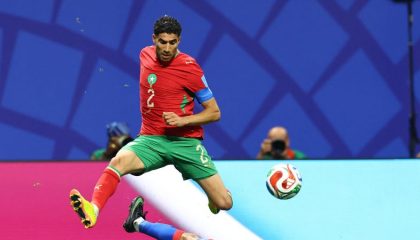
Meanwhile, in Houston, Morocco’s journey to the quarterfinals took a decisive turn as they edged out Canada 2-1 in a match that was as much about intensity as it was about skill. The North African side, known for their tactical flexibility, outmaneuvered the co-hosts, who were struggling to find their rhythm. Morocco’s victory not only cemented their place in the next round but also highlighted their ability to thrive under pressure, a trait that will be vital when they face France in the upcoming clash.
The early stages of the match saw Canada attempting to control the tempo, but Morocco’s defensive resilience and attacking precision quickly turned the tide. A well-timed strike from a Moroccan forward in the 35th minute gave them the lead, though Canada responded with a goal in the 58th minute, forcing a tense finish. In the dying moments, Morocco’s goalkeeper made a crucial save to preserve the lead, ensuring their progress to the quarterfinals.
“We showed why we’re here,” said Morocco coach Vahid Halilhodžić after the game, emphasizing the team’s determination. “Every player gave their all, and the result is a reward for our hard work.”
The victory marked a significant milestone for Morocco, who now look to face France in a high-stakes quarterfinal. The match against Canada was a microcosm of the challenges awaiting them, as they prepare to take on one of the tournament’s top contenders. The outcome also highlighted Canada’s struggles, with their performance raising questions about their ability to advance further in the competition.
What Happens Next?
As the Round of 16 concluded, the stage is set for the quarterfinals, where France and Morocco will clash in a battle that could determine the next round’s fate. France’s ability to adapt to high-heat conditions and their clinical finishing, exemplified by Mbappé’s penalty, will be crucial in overcoming a physically robust Paraguay side. Meanwhile, Morocco’s victory over Canada has given them confidence heading into the next match, but they will need to maintain their composure against a French team that has consistently dominated in the tournament.
The rest of the Round of 16 will see other teams vying for a spot in the semifinals, with the focus now shifting to the next phase of the competition. France’s narrow win against Paraguay was a reminder of the fine margins that define success in the World Cup, while Morocco’s triumph underscored their potential to challenge even the strongest teams. As the dust settles on Saturday’s action, the anticipation for the upcoming matches only grows, with history and glory waiting for the next round of contenders.
The United States, though not directly involved in Saturday’s matches, had a celebratory backdrop as the day unfolded. Fans in Philadelphia and Houston alike were treated to a blend of soccer and festivity, with the sport’s intensity matching the enthusiasm of the crowd. The outcome of these matches has reshaped the tournament’s landscape, leaving the quarterfinals poised for another thrilling chapter of global football drama.