Jet Fuel Prices Drop, Yet Airfares Remain High: 10 Reasons to Explore the US
Jet fuel prices are dropping but airfares – Subscribe to CNN Travel’s weekly newsletter, Unlocking the World, to stay updated on global destinations, aviation news, and local dining spots. As the US observes its Independence Day, the Travel team is highlighting 10 exceptional towns across the country for 2026. While this weekend’s heatwave may test your endurance (keep an eye on weather alerts if your region is bearing the brunt of the extreme temperatures), the 250th anniversary of the United States offers a perfect moment to appreciate the nation’s cultural and historical depth. Amid the soaring airfare costs, even as jet fuel prices have seen a significant decline, there’s compelling evidence that staying close to home could be more rewarding than ever.
The Hidden Gems of American Communities
For years, the Travel team has championed international destinations, but this year’s list shifts focus to the heart of the American experience. While travel is often associated with distant landscapes and foreign cultures, the essence of the nation lies in its local towns, which have become increasingly vital in today’s interconnected world. These communities serve as living archives of history, vibrant hubs for artistic expression, and spaces where diverse perspectives converge. Even in times of political division, the shared spaces of cafés, bookstores, and urban trails offer opportunities for meaningful dialogue and cultural exchange. With so much to discover in the U.S., the idea of exploring nearby landscapes might feel like a breath of fresh air compared to the crowded skies of global travel.
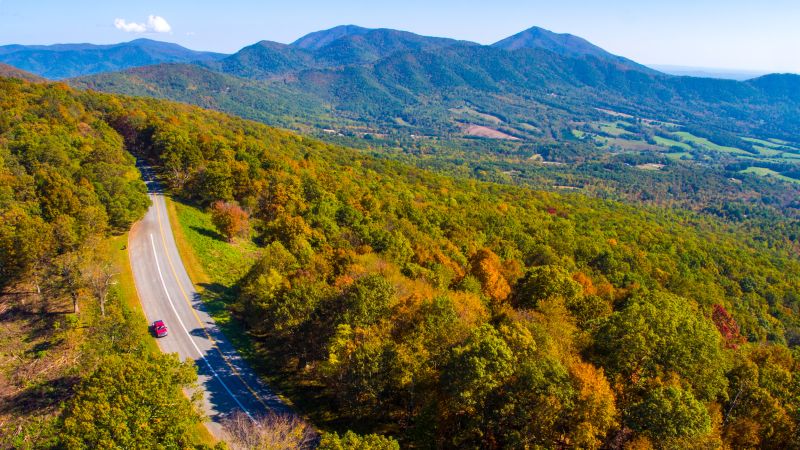
The 2026 list prioritizes lesser-known destinations that have been overshadowed by more popular attractions. While major cities dominate travel narratives, the overlooked towns often hold unique stories and hidden treasures. Take Roanoke, Virginia, for instance—a mountain town nestled in the Blue Ridge Mountains that acts as a gateway to the Appalachian Trail and the scenic Blue Ridge Parkway. This small but dynamic community boasts a walkable downtown area and a rapidly growing food scene, making it an ideal spot for adventurers seeking both natural beauty and culinary innovation.
Summer Events That Define the Nation’s Spirit
As the nation celebrates its 250th anniversary, the summer of 2026 is set to be marked by extraordinary events. A flotilla of tall ships and military vessels will traverse the Atlantic Coast during the Sail250 initiative, which runs through the month of July. This weekend, the fleet will make its first stop in New York before heading to Boston for a week-long display from July 11 to 16. On land, a historic journey will take place as the world’s largest operating steam locomotive travels from Scranton, Pennsylvania, to Cheyenne, Wyoming, covering over 500 miles in a month-long trek. Multiple stops along the route will provide visitors with a chance to witness this engineering marvel in action.
In the nation’s capital, the National Geographic Museum of Exploration will open its doors, offering immersive experiences that span continents and centuries. Guests can observe wildlife through 1,000 detailed animal portraits, retrace the steps of an Everest expedition, and enjoy cocktails as whale projections dance across the walls—just blocks away from the White House. These events underscore the United States’ ability to blend tradition with innovation, creating moments that are both educational and unforgettable.
Why the US Still Holds the Spotlight
Though global travel is tempting, the U.S. remains a compelling destination for those seeking authenticity and depth. The 250th anniversary of the nation’s founding coincides with a time when local communities are more essential than ever. With the country’s rich history, diverse landscapes, and cultural vibrancy, there’s no shortage of reasons to stay put. From the bustling food scenes in small-town America to the tranquil beauty of mountainous regions, the country offers a unique tapestry of experiences that can’t be replicated elsewhere.
“If beauty is in the eye of the beholder,” one visitor remarked, “then the U.S. has a show that’s impossible to miss.” This sentiment reflects the nation’s ability to captivate with both natural and man-made wonders. For example, the “Star City of the South” in Roanoke, Virginia, not only serves as a starting point for hiking enthusiasts but also showcases a revitalized downtown that balances old-world charm with modern amenities. Meanwhile, the summer’s notable events—from the Sail250 flotilla to the steam locomotive journey—highlight how the U.S. continues to innovate and celebrate its heritage in ways that resonate with both locals and travelers.
But the allure of the U.S. isn’t limited to its landscapes and events. The country’s communities are the backbone of its identity, fostering connections and shared experiences that transcend geography. Whether you’re sipping coffee in a local café or exploring historic trails, the U.S. provides a unique opportunity to engage with its people and stories. As one traveler put it: “There’s something magical about discovering the unexpected in your own backyard.”
Other Highlights and Curious Facts
Beyond the main list, the summer also features intriguing cultural phenomena. In Seoul, South Korea, “birthday cafes” have become a popular way to commemorate the birth of K-pop idols, drawing fans in droves even without a celebrity centerpiece. Similarly, a personal story from the U.S. highlights the power of reinvention: a man who moved to Prague after a tragedy has spent two and a half decades building a new life there, proving that the appeal of foreign destinations is enduring.
Meanwhile, the British monarchy’s preference for private residences over Buckingham Palace has sparked curiosity. While the palace is a must-see for tourists, the royal family’s choice to live elsewhere raises questions about the balance between public display and personal comfort. These anecdotes add a human touch to the nation’s celebrations, reminding us that the U.S. and the world are filled with stories that deserve attention.
Finally, the Travel team invites readers to test their knowledge of American history with a 25-question quiz. Whether you’re a seasoned citizen or a newcomer, there’s always more to learn about the country’s past. As the summer unfolds, the U.S. continues to offer a wealth of experiences that are as diverse as its people. So, pack your bags—or just your curiosity—and explore the many wonders that lie within the nation’s borders.
Final Thoughts
With jet fuel prices declining and airfares remaining stubbornly high, the U.S. presents a compelling case for domestic exploration. The 2026 list of America’s Best Towns to Visit is designed to inspire travelers to look beyond the usual highlights and discover the unique charm of local communities. From the Appalachian Trail to the bustling streets of Virginia’s Roanoke, the country’s offerings are as varied as its landscapes. So, as you enjoy the Fourth of July festivities, consider the many reasons to celebrate the nation you call home.