First American Pope Celebrates July 4 on Migrant Island with Call for Compassion
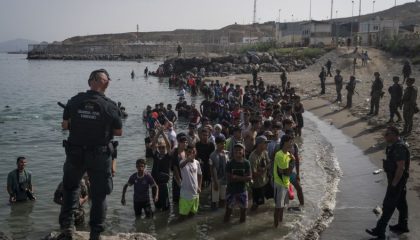
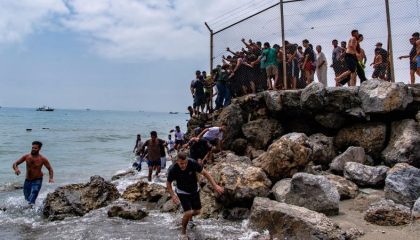
Sandego.net – On the eve of the United States’ 250th Independence Day, Pope Leo XIV traveled to the southern Italian island of Lampedusa, where he addressed the ongoing migrant crisis and urged Americans to embrace immigrants with “compassion and generosity.” The visit, which coincided with the nation’s iconic holiday, underscored the pope’s emphasis on humanity and solidarity, particularly in the face of growing challenges at Europe’s borders. Lampedusa, often referred to as the “Door to Europe,” has long served as a critical entry point for hundreds of thousands of migrants, predominantly from Africa, seeking asylum and a better life.
A Memorial and a Message
Shortly after landing on the island, the pope released a letter highlighting the importance of welcoming immigrants. He described their “hopes, sacrifices, and contributions” as integral to the history of the United States, framing the issue as a moral imperative rather than a political one. The letter, which accompanied his arrival, also stressed that protecting human life requires more than just policies—it demands a cultural shift toward inclusion and care. “To receive them with compassion and generosity is not only an act of charity, but also a recognition of the dignity that belongs to every human person,” the pope wrote, echoing themes central to his papacy.
The Human Cost of the Journey
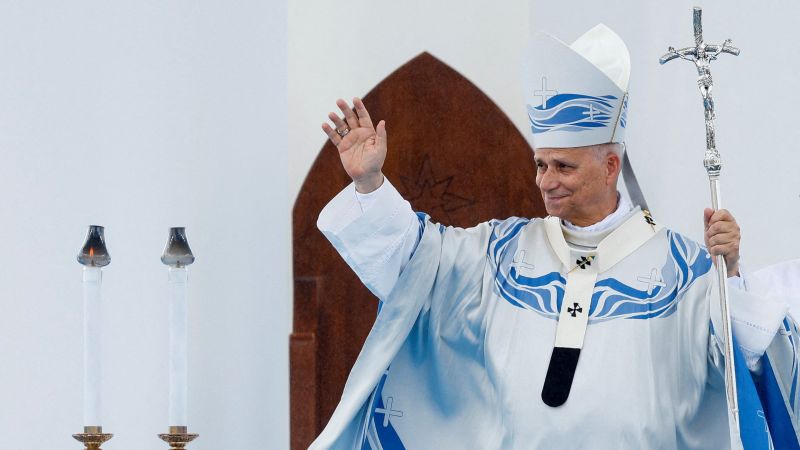
During his time on Lampedusa, the pope paid tribute to the lives lost in the pursuit of a new beginning. A key moment came at the island’s memorial site, where he paused to reflect on the blue waters of the Mediterranean—a symbol of both opportunity and peril. The sight of the sea, combined with the gentle breeze that tousled his white zuchetto, offered a poignant backdrop to his message. Among the memorials, he visited a cemetery that holds the remains of migrants, including Yusuf Ali Kanneh, a six-month-old infant who drowned in a boat wreck in 2020. The boy’s story, along with others, served as a reminder of the personal stakes behind the statistics.
Connecting Past and Present
The pope’s visit also included a heartfelt encounter with migrants who had arrived on the island over the years. One such individual, a boy named Leo, shared his journey of loss and hope. Having landed in Lampedusa a decade prior after his mother’s death, Leo presented his namesake with a letter and a ball, a gift meant to symbolize resilience and joy. “I’m super excited to meet you! Ten years ago my story began here in Lampedusa. I was alone and had lost everything, above all my mom. They say I stopped crying only when they gave me a ball, from that day the ball stayed in my heart and I never stopped playing,” the letter read. The gesture highlighted the emotional impact of migration and the power of small acts of kindness.
Philadelphia’s Role in the Pope’s Message
Earlier in the week, the pope had delivered a speech in Philadelphia during a ceremony accepting the Liberty Medal, further emphasizing America’s legacy of welcoming newcomers. He recounted how the nation had historically “opened its doors to successive waves of immigrants,” allowing them to “play their part in shaping the future of the nation.” This reflection tied into his broader vision for a more just world, where the values of freedom and opportunity are extended to those seeking refuge. The speech also served as a prelude to his visit to Lampedusa, reinforcing the idea that America’s identity is built on the shoulders of those who dare to dream beyond their borders.
A Call to Action for Europe
At the heart of the pope’s message was a plea for European nations to adopt comprehensive strategies for migrant integration. During his open-air Mass on Lampedusa, he urged leaders to create systems that ensure migrants are “received, protected, supported, and integrated,” while also addressing the root causes of displacement in developing countries. “This is a task not only for public institutions but also for civil society as a whole and for the Church,” he declared, emphasizing collective responsibility. The Mass, attended by a jubilant crowd waving American flags and singing hymns, became a focal point of his visit, blending religious ceremony with a call for global solidarity.
Legacy and Leadership
Pope Leo XIV’s journey to Lampedusa was not without significance. The island, which has become synonymous with the migrant crisis, has seen its share of tragedies, including the 2020 incident that claimed Yusuf Ali Kanneh’s life. Yet, the pope’s presence brought a renewed sense of purpose to the community. He met with migrants, blessed a plaque dedicated to his namesake, Pope Francis, who had visited the island in 2013, and engaged with local leaders to discuss long-term solutions. Two prominent figures in the U.S. Catholic Church told CNN that the July 4 visit carried symbolic weight, reinforcing the idea that America’s historical commitment to immigration could inspire other nations.
A Global Perspective on Migration
While the pope’s message was tailored to the American audience, its implications extend far beyond U.S. borders. In his homily, he linked the migrant experience to the broader human condition, urging Europeans to see migration as a shared responsibility. “The world of today and tomorrow… must be more human,” he said, challenging both governments and citizens to rethink their approach. His words resonated with those on the island, who have endured the harsh realities of the sea and the hope of a brighter future. For the pope, the visit was a chance to bridge the gap between the United States’ ideals and the urgent needs of those fleeing hardship.
Symbolism and Solidarity
The choice to mark Independence Day with a visit to Lampedusa carried deep symbolism. It was a deliberate act to connect the nation’s founding principles with the present-day struggle of migrants. The island, with its makeshift camps and crowded shores, represents the intersection of hope and hardship, where the dreams of millions meet the realities of survival. As the pope looked out over the Mediterranean, he seemed to draw a parallel between the American Revolution and the modern quest for freedom, underscoring the timeless nature of migration as a force for change.
A Continuing Journey
With his message of compassion and generosity, Pope Leo XIV aimed to reframe migration as a positive aspect of human history. He argued that immigrants are not just victims of circumstance but vital contributors to the fabric of society. This perspective aligns with his broader mission to unite faith and action, encouraging both individuals and institutions to champion the cause of the displaced. As he concluded his visit, the pope’s words left a lasting impression on those who had witnessed his leadership firsthand, reinforcing the idea that every human journey deserves empathy and support.