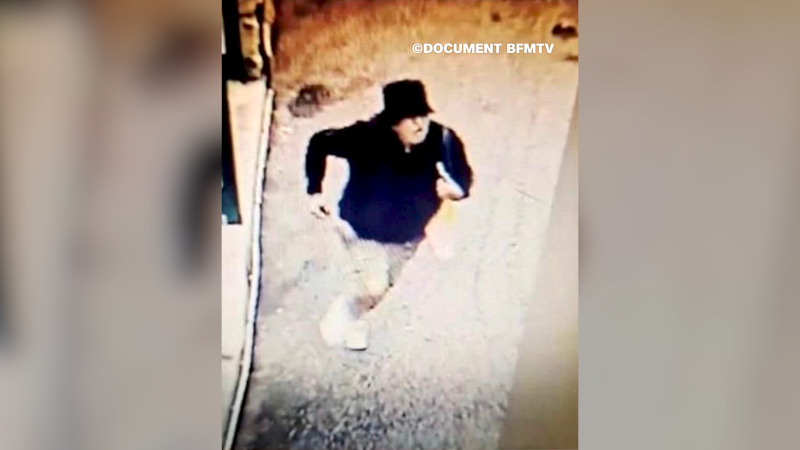
Ukrainian Woman Disguised as Man Suspected in Monaco Bomb Attack
Sandego.net – Monaco’s police have named a Ukrainian woman as the prime suspect in a bomb attack that injured a well-known Ukrainian businessman on Monday. Anastasiia Berezovska, 39, was flagged in an Interpol Red Notice, according to official statements. She had previously lived in Germany and was seen with a tattoo, potentially a snake, on her right arm. The choice of disguise, which she maintained before and during the attack, has sparked speculation about her motives and the attack’s intent.
Disguise and Cross-Border Movements
Berezovska evaded capture by fleeing to France after the explosion and later driving to Italy in a vehicle registered in Germany. Prosecutors highlighted the complexity of the attack, suggesting it may have been part of a larger operation. Two men were arrested in Monaco but released due to lack of direct evidence. The case has now escalated as investigators trace her movements across borders, emphasizing the suspect’s ability to blend into male-dominated settings.
BFMTV, CNN’s French affiliate, initially presented a photo of the suspect, which led media to assume the attacker was a man. The image showed someone in a black jumper, light trousers, and a black bucket hat, with their hair concealed. This visual deception underscores how effectively Berezovska concealed her identity, raising questions about the planning behind the attack.
Attack Details and Casualties
The bomb struck Vadym Yermolaiev, a Ukrainian-born businessman, at a seaside restaurant entrance in a luxury Monaco building. Three people were injured, including Yermolaiev, a woman, and a child. Authorities confirmed the woman and child belonged to a Ukrainian family but noted she was not Yermolaiev’s wife. The attack’s timing and location suggest premeditation, with the suspect triggering the device remotely after positioning it in the entranceway.
Details of the injuries include one person in critical condition, another with severe wounds, and the third with minor injuries. Additional victims were hurt by flying glass from the blast. The use of a remote detonation method, combined with the suspect’s disguise, has prompted a review of Monaco’s security systems. Officials are now analyzing surveillance footage and coordinating with international partners to uncover any accomplices.
Monaco’s Security and the Shock of the Attack
Monaco, a European city-state smaller than Central Park, is renowned for its safety and advanced security measures. With 556 police officers and 1,387 CCTV cameras, the principality is highly monitored. However, the recent attack, described as an “attempted assassination” by prosecutor Stéphane Thibault, marks the first such incident in its history. The shock of the event has intensified scrutiny of its security protocols.
Thibault noted the suspect’s repeated appearances in the same masculine attire, which aligned with her disguise during the attack. This consistency in appearance, paired with the remote detonation, has led investigators to conclude she was the sole perpetrator. Her ability to move undetected across Germany, France, and Italy highlights the interconnectedness of European security networks, particularly in tracking individuals who masquerade as men.
International Collaboration and Ongoing Inquiry
German police are assisting in the investigation, having searched Berezovska’s rental apartment and vehicle. They will share findings with Monaco’s authorities as the probe continues. The case has drawn attention to the importance of cross-border cooperation in combating threats that exploit different regions’ security systems.
While Berezovska’s role is still under examination, her background as a Ukrainian woman who disguised herself as a man remains a focal point. The tattoo, possibly symbolizing a snake, may hint at hidden motives, though its significance is unclear. Investigators are now working to determine if the attack was a solo act or part of a broader scheme, with the suspect’s movements across Europe indicating potential links to wider networks.