Tracking Oil Prices and US Gas Prices Amid Iran Conflict
Tracking oil prices and US gas prices – The recent escalation of tensions between the United States and Iran has had a profound impact on global energy markets. As the conflict intensifies, oil prices have fluctuated dramatically, reflecting the uncertainty and potential disruptions in the supply chain. The strategic location of the Strait of Hormuz, a narrow passage through which a significant portion of the world’s oil is shipped, has become a focal point for analysts and policymakers alike. With the possibility of naval confrontations or blockades, the flow of crude oil to international markets has been a key driver of price changes.
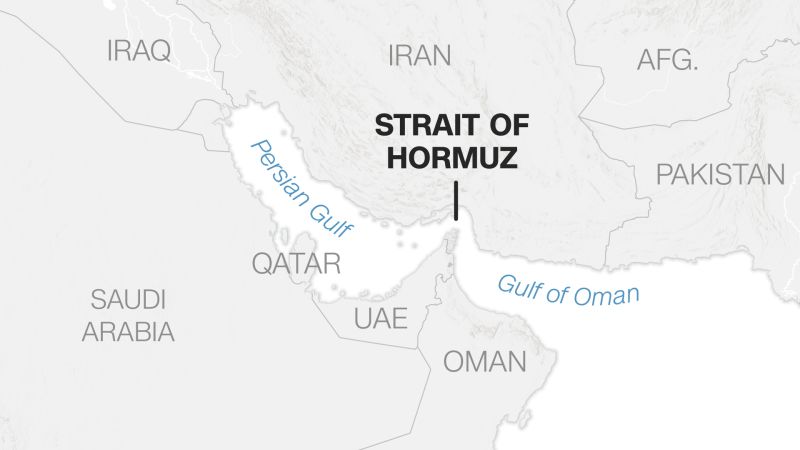
Following the signing of a peace plan between the U.S. and Iran, there has been a noticeable decline in oil prices. This agreement, which aims to stabilize the region and reduce the risk of further conflict, has provided a sense of relief to energy markets. However, experts caution that the situation remains fragile, and it may take time for oil prices to stabilize fully. The Strait of Hormuz, which is crucial for transporting approximately 20% of the world’s oil supply, continues to be a source of concern. Iran’s plans to open the strait completely have sparked debates about the immediate effects on maritime traffic and fuel costs.
The Role of the Strait of Hormuz in Global Oil Trade
The Strait of Hormuz is a vital chokepoint, connecting the Persian Gulf to the Arabian Sea. Its significance lies in its role as a primary route for oil exports from the Middle East to global markets. During the height of the U.S.-Iran conflict, fears of blockades or attacks on shipping lanes caused a surge in oil prices. Now, as the peace plan takes effect, the situation appears to be easing. Yet, the gradual return to normalcy is not guaranteed, as logistical challenges and geopolitical uncertainties persist.
“Experts have warned that the resumption of regular vessel movements through the Strait of Hormuz may not be immediate, despite the initial signs of improvement.”
CNN is actively monitoring these developments, providing real-time updates on both oil prices and U.S. gasoline costs. The network’s coverage includes detailed analysis of the strait’s traffic patterns, as well as the broader implications for energy markets. By utilizing maps and charts, CNN aims to visualize the changes in oil flow and their corresponding effects on fuel prices. This approach helps consumers understand how global events translate into local costs at the pump.
Gasoline Prices: A Shift in the Market
For American drivers, the decline in oil prices has had a direct impact on the cost of gasoline. The average price for a gallon of regular gas has fallen below the $4 mark, marking a significant shift from earlier months. This reduction is particularly notable given the peak prices experienced during the war with Iran, which reached a three-year high in June. According to the American Automobile Association (AAA), the drop in gas prices is the first time since March 30 that the average has crossed below this threshold, signaling a potential stabilization in the market.
Regional variations in gasoline prices remain a topic of interest. While the national average has decreased, some states still report higher prices due to factors like local taxes, refining costs, and distribution networks. CNN’s tracking of these state-specific trends highlights the uneven impact of the conflict on different parts of the country. For example, coastal states with greater access to refineries may see faster price adjustments compared to inland regions reliant on long-distance transportation.
Long-Term Implications and Market Outlook
Analysts suggest that the current trends may not fully reflect the long-term consequences of the Iran conflict. While the immediate effects of the peace plan are visible in declining oil prices, the future of energy markets depends on sustained stability in the region. The potential for renewed tensions or economic sanctions could lead to further volatility. In addition, the global demand for oil, driven by factors like economic growth and seasonal changes, plays a critical role in shaping prices.
As the situation evolves, the energy sector will continue to adapt to new challenges. The success of the peace plan hinges on its ability to restore confidence in the supply chain and reduce the risk of disruptions. If Iran and the U.S. can maintain their agreement, the market may experience a gradual recovery. However, if the conflict resurges, the impact on oil and gas prices could be more severe. CNN remains committed to tracking these developments, offering insights into how the global energy landscape is shifting.
Consumer Impact and Economic Considerations
For households and businesses, the decrease in gasoline prices represents a welcome relief. Lower fuel costs can boost disposable income and reduce transportation expenses, potentially stimulating economic activity. However, this benefit is offset by the ongoing uncertainty in the energy market. Consumers may still face fluctuations in the near term, depending on the outcome of the Iran peace plan and its implementation.
The relationship between oil prices and gas prices is complex, influenced by a range of factors beyond geopolitical events. Production levels, refining capacities, and global demand all contribute to the final cost at the pump. The recent drop in oil prices has led to a corresponding decline in gas prices, but this trend may not be uniform across all regions. For instance, states with higher refining costs or more volatile supply chains could see slower adjustments in their gasoline prices.
As the conflict with Iran continues to evolve, its influence on energy markets will remain a central theme. CNN’s ongoing coverage ensures that both consumers and industry professionals stay informed about these developments. The network’s analysis of oil and gas price trends, alongside real-time data on strait traffic, provides a comprehensive view of the economic stakes involved. With the peace plan as a potential turning point, the path to stable prices remains a topic of close scrutiny.
Chris Isidore, a contributing reporter for CNN, emphasizes the importance of tracking these dynamics. “The interplay between international conflicts and domestic fuel costs is a delicate balance, and the current trends suggest a temporary reprieve,” Isidore notes. The data gathered by CNN underscores the interconnectedness of global events and local economies, highlighting how a single waterway can shape the cost of fuel for millions of people.