
The water companies using bailiffs to collect customer debt more than 6,000 times a year
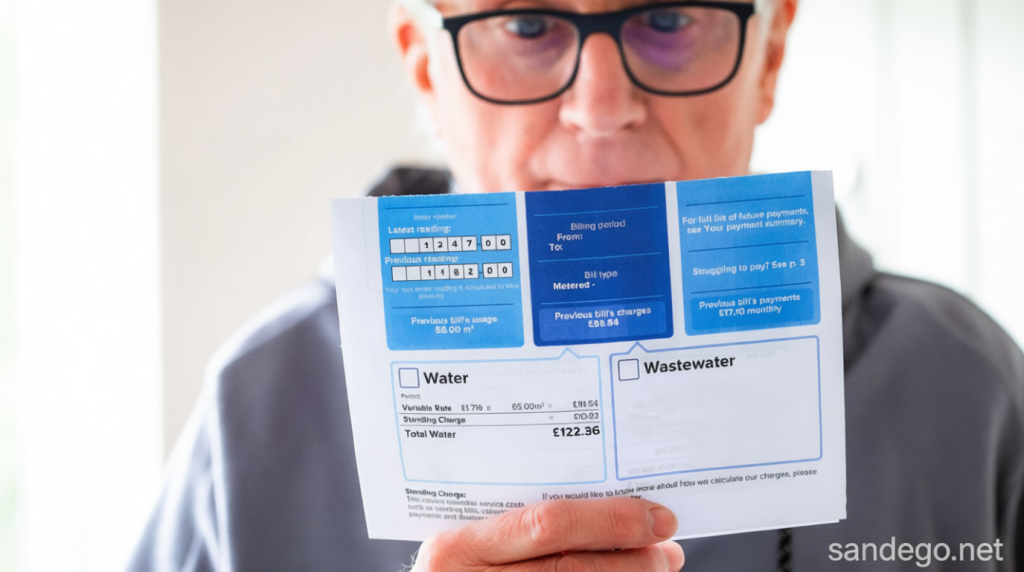
The water companies using bailiffs to collect customer debt more than 6,000 times a year
New research from an MPs committee has unveiled previously confidential data revealing that certain water providers have enlisted bailiffs to recover debts over 6,000 times annually. The findings highlight significant disparities in how these companies approach debt collection.
Some companies, like Wessex Water, have never utilized bailiffs for debt recovery in the past ten years. Welsh Water’s use of bailiffs has remained below 1,000 per year since 2019. However, Southern Water has been notably active, employing bailiffs 15,707 times in 2019, over 6,000 in 2020, and more than 5,000 in 2023. This number rose to over 8,000 in 2024 and then dipped to more than 4,000 in 2025.
The Environment, Food and Rural Affairs (Efra) Committee released the data, which was previously restricted. The figures show Yorkshire Water, United Utilities, and Severn Trent as the most frequent users of bailiff enforcement. South West Water/Pennon and Northumbrian Water were also flagged as top performers in this regard.
Context of Bailiff Usage
The Efra committee leveraged its authority to disclose the data, citing that water companies are not bound by the Freedom of Information Act despite offering a vital public service. Committee chairman Alistair Carmichael emphasized the concern over the scale of bailiff deployment, particularly against the backdrop of recent financial challenges faced by households.
“The frequency of bailiff actions is alarming, especially considering the cost-of-living pressures households have endured. Legal action can be a significant stressor for families and individuals,” Carmichael noted.
He urged companies to reassess their practices and adopt more empathetic approaches. “We encourage them to ensure their methods are as considerate as possible,” he added.
Industry Trends and Company Responses
2023 and 2024 marked the highest use of bailiffs in the sector, a trend attributed to the economic aftermath of the pandemic. Carmichael raised questions about the rapid surge: “Why did bailiff activity spike post-pandemic? Were these changes thoroughly examined?”
The Council for Water expressed interest in reviewing the committee’s data. Andy White, the council’s social policy lead, stated: “Bailiff use should be a final option, reserved only when a customer consistently refuses to pay. They shouldn’t be used on those in vulnerable financial situations.”
Yorkshire Water asserted that enforcement is a last resort, targeting customers who “can afford to pay but choose not to.” United Utilities claimed it acts only against individuals with “the means to settle their bills.” Southern Water highlighted its efforts to support struggling customers but noted that litigation remains an option for some cases.
South West Water clarified that the Efra figures encompass more than just visits, including actions like payment plans. It reaffirmed that enforcement is reserved for customers who “have the ability to pay but are not doing so.”
Across the 11 English and Welsh water firms, bailiff enforcement ranged from 500 to 4,500 actions in 2024-2025. This variation underscores the differing strategies employed by each company in managing customer debt.
