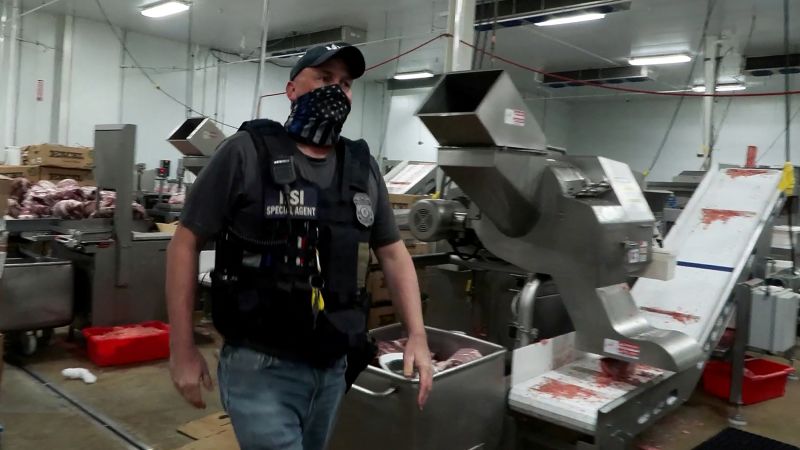
Exclusive: Trump Administration Aims to Intensify Worksite Immigration Raids
Sandego.net – Plans for expanded worksite immigration enforcement operations are taking shape under the Trump administration, with federal agencies collaborating to heighten the pace of arrests and align with the president’s base. According to five insiders briefed on the internal discussions, the strategy involves multiple departments working to implement a more aggressive approach, targeting employers and undocumented workers involved in alleged violations. The move is part of a broader effort to bolster the administration’s record on immigration control, which has seen a surge in deportations since the start of the term.
Escalating Enforcement Amid Criminal Probes
Administration officials emphasized that the intensified enforcement measures stem from ongoing criminal investigations, particularly those focusing on fraud. A Homeland Security spokesperson confirmed to CNN that the number of such probes has risen, highlighting the agency’s commitment to addressing immigration-related crimes. These investigations often serve as the foundation for raids, with the goal of ensuring compliance with immigration laws and deterring employers from hiring unauthorized workers.
“Criminal investigations are a key driver of enforcement actions. If there’s evidence of wrongdoing, the administration will act to uphold the law,” said a White House official, underscoring the link between probes and operational decisions.
While the plan is designed to maintain momentum in deportations, it also seeks to balance the need for strict enforcement with the economic stability of critical industries. Manufacturing, construction, and agriculture have been key sectors affected by previous raids, with some employers expressing concerns about the impact on labor supply and business operations. The administration aims to avoid further strain on these industries, even as it pushes to meet its immigration goals.
Preparing for Larger Raids: The Process and Challenges
Worksite operations require significant preparation, often spanning months or years. According to a former Department of Homeland Security (DHS) official, the process begins with auditing a company’s immigration records, followed by criminal investigations if discrepancies are found. “These operations are complex, involving vast amounts of documentation and careful analysis to establish culpability,” the source explained.
ICE Homeland Security Investigations (HSI) typically sends notices to companies before launching raids, allowing time for compliance checks. If issues are identified, the agency then initiates legal action. This method ensures that enforcement is targeted, reducing the risk of random disruptions while still holding employers accountable for potential violations.
“We’re seeing our arrest numbers come up. We’re seeing our deportation numbers continue to increase,” said Homeland Security Secretary Markwayne Mullin, highlighting the administration’s focus on maintaining high enforcement rates.
The strategy also includes educating employers on their legal obligations, as noted by one of the sources. This proactive component aims to prevent future violations by reinforcing the consequences of hiring undocumented workers. However, officials acknowledge that the plan remains adaptable, with adjustments likely based on real-time data and political considerations.
Industry Reactions and Political Motivations
The worksite enforcement push has drawn mixed reactions from industry leaders and lawmakers. While some welcome the stricter measures as a way to reduce illegal immigration, others worry about the potential for job losses and economic disruption. For instance, a 2025 raid at a Hyundai plant in Georgia sparked a diplomatic crisis with South Korea, raising questions about the long-term effects of such actions on international partnerships.
Immigration hardliners, including Trump allies, argue that these raids are essential for achieving the president’s broader agenda. They view worksite enforcement as a means to deport a larger number of undocumented individuals, beyond those deemed threats to public safety or national security. “Without targeted enforcement at worksites, the numbers won’t reach the desired levels,” said an administration official, stressing the importance of holding employers responsible.
“The test is whether they’re going to significantly step up job-related enforcement. That’s not just raiding worksites. That’s got to be part of it, but all the other stuff like paperwork enforcement,” remarked Mark Krikorian, director of the Center for Immigration Studies, a group that advocates for stricter immigration policies.
Recent data shows that ICE has ramped up its arrest efforts, with daily detentions averaging around 2,000 individuals—a notable increase from earlier months. This figure is expected to rise as the administration works to meet its targets. In 2025, Deputy Chief of Staff Stephen Miller directed ICE officials to achieve a daily quota of 3,000 arrests, a goal that required intensive coordination and resource allocation.
Strategic Priorities and Ongoing Challenges
Despite the push for more aggressive enforcement, the administration remains cautious about overburdening the economy. With the labor market already facing tight conditions, the focus is on ensuring that raids are both effective and economically viable. Officials are working to streamline processes and enhance collaboration between agencies to improve efficiency.
Additionally, the plan includes measures to strengthen legal frameworks for employer accountability. This involves not only raids but also penalties for companies found in violation of immigration laws. The goal is to create a system where employers are incentivized to follow regulations, thereby reducing the reliance on undocumented labor.
While the administration has long criticized previous enforcement efforts for being too lenient, the new strategy marks a shift toward more systematic action. “The administration has been conducting criminal investigations into a host of violations since the start of the term,” said the White House official, pointing to issues like welfare fraud and identity theft as focal points.
However, the success of these measures depends on their execution. Some critics argue that the current approach may still fall short of fully addressing the complexities of immigration enforcement. They note that the legal and administrative hurdles involved in planning raids, such as reviewing extensive paperwork and building a case for criminal charges, can slow down progress.
As the administration moves forward, it faces the challenge of maintaining public support while navigating the delicate balance between enforcement and economic impact. The increased focus on worksite raids is expected to be a key element of this strategy, with officials emphasizing the need for sustained effort to achieve long-term immigration goals. With the labor market and political climate continuing to evolve, the effectiveness of these measures will likely determine their lasting influence on the country’s immigration policy.
Looking Ahead: A Test for Enforcement Consistency
Industry experts and policymakers are closely watching how the administration implements these changes. “The administration is going to face a test—whether they can pass it or not,” said Krikorian, highlighting the need for consistent enforcement. The ability to maintain high arrest and deportation rates without alienating employers or destabilizing the economy will be a critical factor in the strategy’s success.
With the recent surge in enforcement activities, the Trump administration is positioning itself to meet its immigration objectives. The focus on worksite raids reflects a commitment to addressing the root causes of unauthorized employment, while also reinforcing the legal framework for immigration compliance. As the plan unfolds, the interplay between policy, enforcement, and economic factors will shape the outcome of this decisive chapter in the administration’s immigration agenda.