Turkey Blocks American LGBTQ+ Cruise from Docking, Citing Moral Standards
Sandego.net – Turkey has taken a firm stance against an American LGBTQ+ cruise line, preventing its ship from docking in the country’s ports. The decision, announced by Turkish officials, was made based on claims that the vessel’s presence conflicts with the nation’s “moral standards” and “family values.” The CEO of Atlantis Events, the company behind the upcoming Mediterranean cruise, shared details about the ban with CNN on Thursday, highlighting the significance of the event for LGBTQ+ travelers.
Details of the Cancelled Voyage
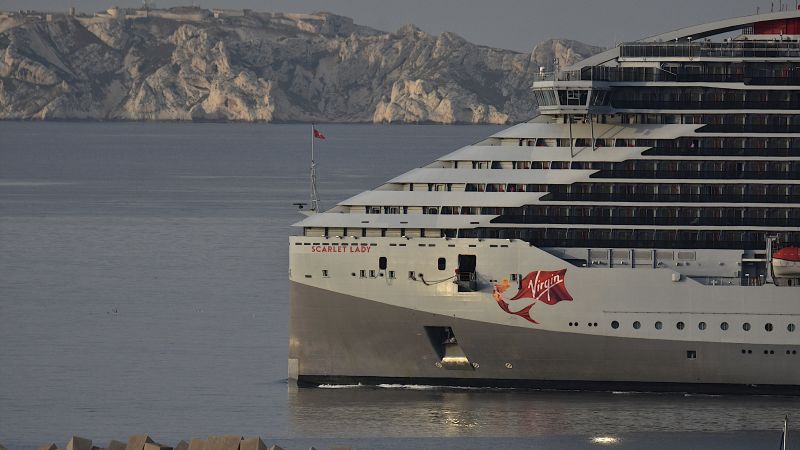
The cruise, titled “Athens to Venice,” was set to depart from Greece on July 5 and included stops in Turkey’s popular port city of Kuşadası and Istanbul. Atlantis Events had planned the 10-day itinerary to showcase the cultural and historical landmarks of the region, with the cruise ship, Scarlet Lady, expected to host over 1,000 passengers from the United States. The vessel is operated by Virgin Voyages, a cruise line backed by Richard Branson, according to data from MarineTraffic.
However, Turkish authorities intervened, canceling the cruise’s scheduled visits to Kuşadası and Istanbul. Officials in Aydın province, home to the port, stated that the group’s “behaviors incompatible with the fabric of our society” made it an unsuitable event for their region. The decision has sparked debates about the treatment of LGBTQ+ tourists and the growing influence of conservative policies on international travel in Turkey.
CEO’s Reaction and the Broader Context
“It’s pretty stunning, to be honest. I mean, and the reasoning behind it is that it’s a gay group,” said Rich Campbell, CEO of Atlantis Events, in a statement to CNN. “It’s very concerning to me when a country decides they can pick and choose which tourists are allowed in and which are not.”
Campbell emphasized that this marks the first time in 36 years Atlantis Events has been “actively told we may not berth here because of who we are.” The company had no prior issues with Turkey, and the sudden change in policy has left many travelers and organizers questioning the country’s stance on inclusivity. The cruise’s itinerary now includes stops in Cairo, Egypt, and the Greek island of Crete, altering the original plan that had attracted a diverse group of international guests.
The decision to block the cruise comes amid a broader trend of Turkey’s government adopting stricter positions on LGBTQ+ rights. Over the past decade, President Tayyip Erdogan’s AK Party has intensified its rhetoric against the community, leading to the prohibition of Pride marches in Istanbul since 2015. These actions have drawn criticism from human rights organizations, who argue that such policies marginalize LGBTQ+ individuals and limit their freedom of expression.
Additionally, the ban has been linked to a recent incident in Istanbul where police raided a bar following the distribution of an Atlantis brochure that featured a party at the establishment. While Campbell clarified that the brochure was not affiliated with Atlantis Events, the event has been used as a pretext for targeting LGBTQ+ gatherings. “This is not a political organization. We are not there for anything except to spend money, have a good time, take tours and be incredibly respectful to every culture we visit,” he reiterated, stressing the company’s commitment to inclusivity.
Impact on Tourism and International Relations
The cancellation of the cruise highlights the growing tension between Turkey and LGBTQ+ tourism, which has become a significant sector for the country’s economy. With over 1,100 of the 1,900 expected guests from the United States, the ship’s itinerary was designed to attract a mix of travelers from the U.S., U.K., Canada, and Australia. The abrupt change in plans has raised concerns about the ripple effects on the cruise industry and the potential for similar bans in the future.
Atlantis Events, which markets the trip as an “epic adventure” for travelers to explore the Mediterranean, had aimed to create a unique experience by combining island-hopping with cultural immersion. The revised route, however, may reduce the exposure to Turkey’s iconic sites, potentially affecting the company’s ability to offer a comprehensive travel package. The shift also underscores the challenges faced by LGBTQ+ tourism companies in navigating the political landscape of host countries.
Turkey’s Ministry of Culture and Tourism has not yet issued a detailed explanation for the ban, though officials have cited public safety and security as key factors. CNN has contacted the ministry, the Turkish embassy in Washington, and Virgin Voyages for further clarification. The cruise line, in response, has stated that it remains committed to its mission of fostering inclusive travel, despite the setback.
Global Reactions and the Future of LGBTQ+ Travel
International observers have noted that Turkey’s actions align with a pattern of restricting LGBTQ+ events in recent years. The ban on Pride marches, along with other measures, has positioned the country as a hub for conservative policies that challenge the acceptance of LGBTQ+ identities. This move has been criticized by advocacy groups, who argue that such restrictions contribute to a climate of intolerance for the community.
While the U.S. has historically been a stronghold for LGBTQ+ rights, the cancellation of this cruise raises questions about the extent to which international destinations are willing to accommodate LGBTQ+ travelers. Some analysts suggest that the decision may reflect a broader shift in global attitudes, influenced by the rise of right-wing movements and the impact of political figures like Donald Trump, whose administration’s policies have often prioritized traditional values over LGBTQ+ inclusivity.
Despite the setback, Atlantis Events remains optimistic about the future of its trips. The company has pledged to continue promoting cultural exchange and celebrating diversity, even as it adapts its routes to align with the requirements of host countries. “We are not just a cruise line—we are a platform for bringing people together,” Campbell stated, emphasizing the importance of the event in fostering connections among travelers.
As the Scarlet Lady prepares to embark on its new itinerary, the incident serves as a reminder of the challenges faced by LGBTQ+ tourism. While the cruise’s change in destination may impact the experience for some passengers, it also highlights the resilience of the community and their ability to navigate obstacles. The future of such voyages will depend on how Turkey and other countries balance their cultural values with the demand for inclusive travel opportunities.
Atlantis Events has since updated its website, encouraging passengers to remain positive about the revised plans. The company continues to describe the Mediterranean as a place of “great friends” and “epic adventures,” even as it acknowledges the political hurdles that have reshaped its journey. With the cruise line’s next steps yet to be determined, the event underscores the evolving relationship between LGBTQ+ tourism and the nations that host it.