Record Heat and Monumental Fireworks Threaten Air Quality on July Fourth
Sandego.net – This July Fourth, the combination of record-breaking heat and monumental fireworks displays may create a perfect storm of air pollution, jeopardizing respiratory health for millions of Americans. As the nation celebrates Independence Day, extreme weather conditions and the smoke from large-scale pyrotechnics could lead to dangerously high levels of particulate matter and ozone. Environmental experts warn that the heat dome trapping hot air across the country will intensify smog formation, while fireworks contribute to a surge in pollutants. Together, these factors could result in severe air quality challenges, particularly in urban areas where emissions from vehicles and industry already add to the mix.
Heat Domes and Ozone Formation
A heat dome is intensifying over much of the U.S., creating a stagnant air environment that promotes the buildup of ground-level ozone. These high-pressure systems, which limit wind circulation, trap heat and pollutants near the surface, worsening air quality. In Washington, DC, where temperatures are projected to hit 102°F—breaking historical records—ozone levels may spike due to the reaction of volatile organic compounds and nitrogen oxides under intense sunlight. This phenomenon, exacerbated by the heat, could lead to a 42% increase in PM 2.5 concentrations, impacting those with asthma or chronic respiratory conditions.
As the heat persists, over 50 million people are expected to experience triple-digit temperatures, further accelerating the chemical processes that create ozone. Cities like Philadelphia and Boston face particularly high risks, with forecasts indicating temperatures that could tie or break historical records. The stagnant air caused by the heat dome means that pollutants from both natural and human sources will linger longer, creating a dual threat to public health.
Fireworks: A Hidden Environmental Hazard
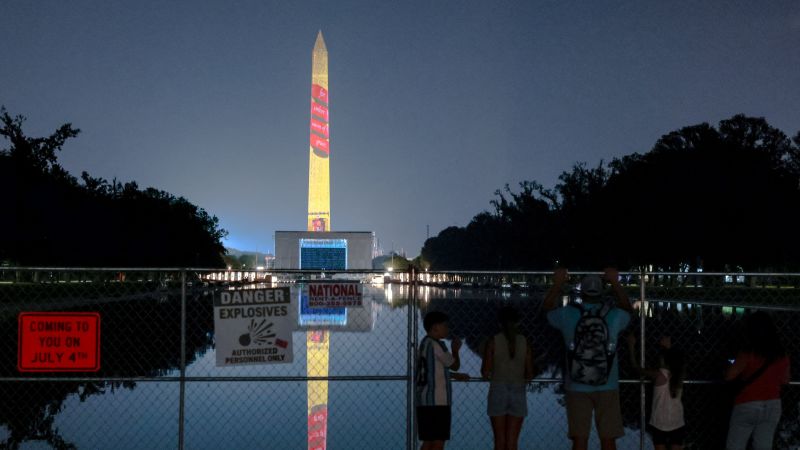
Fireworks, while a beloved tradition, emit significant amounts of particulate matter and other harmful pollutants. This year’s displays are more extensive than ever, with cities like Washington, DC, launching 850,000 fireworks in 40 minutes—a new Guinness World Record. The scale of these events increases the concentration of PM 2.5 in the atmosphere, which can penetrate deep into the lungs and worsen respiratory issues. In New York, the fireworks show aims to surpass its own local record, with 85,000 shells projected to be fired in 30 colors, adding to the air quality challenges.
Experts highlight that the combustion of fireworks releases fine particles and smoke that can remain suspended for hours. In Nashville, the unprecedented number of fireworks may amplify this effect, while Boston’s synchronized display with live music could draw even larger crowds. These celebrations, though festive, contribute to temporary spikes in air pollution, making them a critical factor in the overall forecast for July 4th.
Air Quality and Health Impacts
Residents in areas with high fireworks activity may face severe respiratory risks. The fine particles from fireworks, combined with ozone generated by heat, can create a toxic mix that affects vulnerable populations. In cities like Charlotte, the largest fireworks show in the Southeast will occur at a baseball stadium, potentially increasing local pollution levels. Meanwhile, San Francisco’s fireworks from the Golden Gate Bridge will add to the national spectacle but also contribute to particulate matter in the air.
“Monumental fireworks shows are iconic, but this year’s scale may push air quality to dangerous levels,” noted Russell Dickerson, a professor of atmospheric science at the University of Maryland. “The heat dome and fireworks together create a unique challenge for public health.”
The increased intensity of both factors means that even short-term exposure could lead to long-term health consequences, especially for those with preexisting conditions. Environmental agencies are urging people to limit outdoor activities and use air quality alerts to plan their celebrations safely.