FDA Approves Philip Morris’ Zyn as Reduced-Risk Alternative to Cigarettes
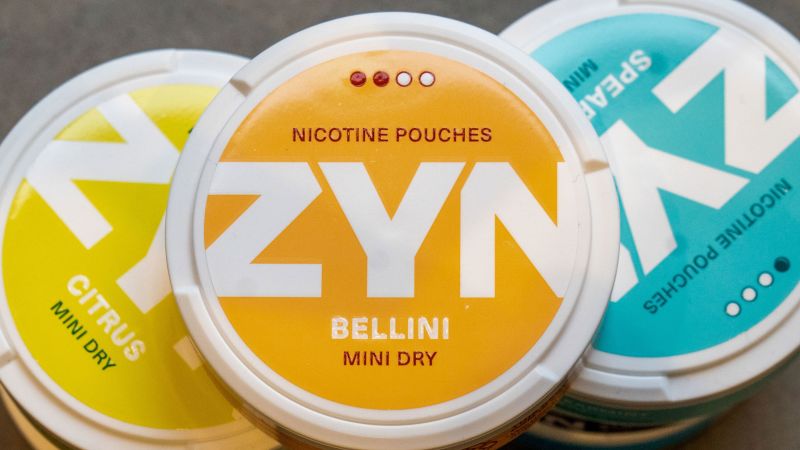
Sandego.net – The U.S. Food and Drug Administration has given the green light for Philip Morris to promote its Zyn nicotine pouches as a safer alternative to traditional cigarettes. This approval marks a pivotal moment for the company, which now can market 20 different Zyn variants with the assurance that they offer lower health risks compared to conventional tobacco products. The agency’s decision hinges on the assertion that these pouches can mitigate the likelihood of several severe diseases, such as mouth cancer, heart disease, lung cancer, stroke, emphysema, and chronic bronchitis.
Health scientists had previously expressed caution about the safety of nicotine pouches, particularly for new users like children. However, the FDA’s review concluded that the evidence supports Zyn’s potential to reduce harm. The approval process was expedited this year, with tobacco companies actively pushing for regulatory changes. Philip Morris, for instance, has been lobbying U.S. President Donald Trump and other officials to streamline the FDA’s authorization procedures, aiming to accelerate the availability of such products.
Zyn nicotine pouches, which users place under their lips to absorb nicotine, have gained significant traction in recent years. They are now the fastest-growing nicotine product in the United States, with millions of consumers opting for them over cigarettes. The FDA’s endorsement is expected to further boost their popularity, especially as health advocates and public health officials debate their role in reducing smoking rates. The agency emphasized that the product’s benefits extend beyond individual users, potentially improving overall population health by encouraging a shift from more harmful tobacco alternatives.
The approval comes amid a broader trend of the FDA relaxing rules on vaping and nicotine products. This shift reflects growing pressure from industry players and evolving consumer preferences. Philip Morris, which had previously cut its annual profit forecast for the second time this month, welcomed the decision as a strategic advantage. CEO Jacek Olczak highlighted the importance of the FDA’s stance, stating that the reduced enforcement of unauthorized products would “support category growth” and help the company capture a larger market share.
“Recent U.S. FDA moves to ease restrictions on unauthorized vaping and nicotine pouches are a ‘net positive,’ and will drive growth in this category,” said Olczak at the Deutsche Bank global consumer conference.
Philip Morris’ Zyn sales have already demonstrated a remarkable increase. In 2025 alone, the company sold 794 million cans of its current version, a figure that more than doubled its 2023 sales. This surge in demand underscores the product’s appeal, particularly among younger demographics. As more consumers seek alternatives to combustible tobacco, Zyn’s rise could signal a shift in the nicotine market. However, critics argue that the product’s long-term health effects remain uncertain, especially for those who may start using it as a gateway to smoking.
Public health experts remain divided on the implications of this approval. While some view Zyn as a promising tool for reducing smoking-related illnesses, others caution that nicotine addiction can persist or even escalate. The FDA’s claim that Zyn “would significantly reduce harm and the risk of tobacco-related disease to individual tobacco users” is based on extensive research, but the product’s impact on broader health outcomes will depend on factors like usage patterns and user demographics.
Earlier this month, Axios reported the FDA’s decision, which had been in the works for several months. The approval of Zyn’s flavor variants is part of a larger regulatory strategy to adapt to the changing landscape of nicotine consumption. With the rise of alternative products like e-cigarettes and vaping devices, the FDA has been tasked with balancing innovation with safety. This move aligns with that goal, but it also raises questions about how strictly the agency will monitor the health claims of other nicotine products in the future.
For Philip Morris, the FDA’s approval is a strategic win. The company has positioned Zyn as a key component of its plan to transition smokers to less harmful products. The decision follows a period of regulatory uncertainty, during which the company had to navigate evolving standards and public skepticism. By securing this endorsement, Philip Morris strengthens its position in the competitive nicotine market, where products are constantly innovating to attract users.
Despite the approval, challenges remain. Health advocates emphasize the need for ongoing research to evaluate the long-term effects of nicotine pouches. They also stress that the product’s marketing should not overshadow the risks of nicotine addiction, particularly in children and adolescents. The FDA’s statement that Zyn could “benefit the health of the population as a whole” is contingent on widespread adoption and consistent use as a substitute for cigarettes.
As the approval takes effect, the focus will shift to how effectively Zyn can replace traditional cigarettes. With millions of users already embracing the product, the FDA’s decision may accelerate its integration into daily habits. However, the success of Zyn as a public health tool will depend on its ability to maintain a lower risk profile while addressing concerns about nicotine dependency. The agency’s latest move sets a precedent for other nicotine products, potentially opening the door to further regulatory flexibility in the coming years.
Philip Morris’ Zyn represents a significant step in the company’s effort to redefine the tobacco industry. By leveraging the FDA’s endorsement, it aims to capitalize on the growing demand for less harmful nicotine options. The product’s rapid sales growth and market expansion highlight its potential to disrupt traditional smoking habits. Yet, the long-term success of this initiative will require continued scientific validation and effective consumer education to ensure that the health benefits are realized across the board.