FAA Investigates After Disruptive Passenger Incident on Regional Jet in Indianapolis
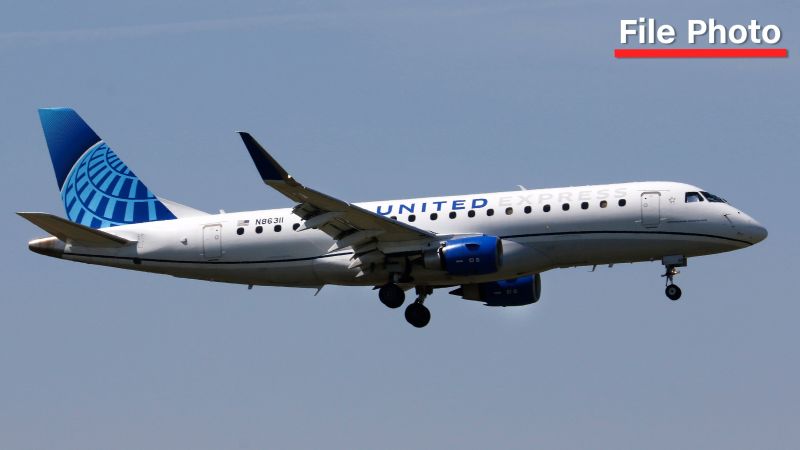
Sandego.net – On Tuesday, the Federal Aviation Administration (FAA) launched an investigation following a bizarre incident involving a passenger who attempted to open the cabin door mid-flight, prompting an emergency landing. The event occurred aboard United Airlines Flight 3989, which was operated by Mesa Airlines, according to tracking data from FlightAware.com. The flight had only been airborne for 15 minutes when the disruption took place, before it was forced to return to Indianapolis’ airport. The aircraft was en route to Houston, where it was scheduled to arrive nearly two hours later than planned.
Passenger’s Attempt to Open Door Sparks Emergency Measures
The disruption began when a passenger, described as “belligerent” by the pilot, tried to open the cabin door during the flight. Air traffic controllers captured audio of the pilot’s communication, which revealed the unfolding situation. “We have a belligerent passenger trying to open the cabin door,” the pilot stated, as passengers onboard worked to restrain the individual and secure him in his seat. The momentary chaos led to the plane diverting back to the ground, where safety protocols were swiftly enacted to address the threat.
“We have passengers trying to get him secured in a seat right now.”
The Embraer 175 regional jet, which is typically used for short-haul routes, landed safely and was guided to the gate by ground crews. Once there, the disruptive passenger was deplaned, a Mesa Airlines spokesperson confirmed to CNN. Airport police were called to the scene and took the individual into custody. The incident has now been added to the FAA’s growing list of in-flight disturbances, which have become increasingly common in recent months.
Unruly Passengers on the Rise, FAA Warns of Legal Consequences
According to the FAA, over 830 instances of unruly passenger behavior have been reported so far this year, highlighting a concerning trend in air travel. These incidents often involve aggressive actions that pose a risk to flight safety, such as attempting to open doors or interfere with crew operations. In the latest case, the passenger’s actions forced the aircraft to make an unscheduled stop, causing delays and disrupting the journey for hundreds of travelers.
Earlier this year, similar disruptions have been documented across major airlines. For instance, a man on a Frontier Airlines flight tried to open an exit door before being subdued by a passenger who happened to be a jiu-jitsu instructor. The instructor’s expertise in grappling allowed her to quickly restrain the individual, preventing a potential catastrophe. Another incident involved a United Airlines passenger who made multiple attempts to breach the cockpit, leading to a diversion to Madison, Wisconsin. The pilot’s account of the event, recorded by air traffic control, underscored the urgency of the situation.
The FAA has emphasized that such behavior can result in severe penalties. Disruptive passengers may face criminal charges, while civil fines can exceed $43,000 per incident. These consequences are designed to deter passengers from endangering the safety of the aircraft and its occupants. The agency has also been working to update its guidelines for handling in-flight disturbances, aiming to improve response times and ensure smoother operations during such events.
Regional Jets and Safety Protocols: A Closer Look
The Embraer 175, a common regional jet used by Mesa Airlines, is equipped with safety mechanisms to prevent unauthorized door openings. However, the incident in Indianapolis suggests that these systems may not always be sufficient to stop determined passengers. The aircraft’s emergency landing was a standard procedure to ensure that the situation was resolved before reaching its destination. Once on the ground, the pilot and crew worked with airport authorities to secure the passenger and inspect the plane for any damage.
Such disruptions can have ripple effects on an airline’s operations. In this case, Flight 3989’s delay created a backlog for other flights, as air traffic controllers adjusted schedules to accommodate the emergency landing. The pilot’s decision to return to Indianapolis was critical in preventing a more serious outcome, such as a mid-air decompression event. The FAA is now examining whether the airline followed proper protocols during the incident and whether additional measures are needed to prevent similar occurrences.
Passenger behavior is a significant concern for aviation safety. Airlines have implemented stricter rules and training programs to manage unruly passengers, including the use of restraint devices and increased crew oversight. However, the Indianapolis incident demonstrates that even with these precautions, human error or agitation can lead to unexpected emergencies. The FAA’s investigation will likely assess whether the pilot’s actions were appropriate and whether the airline’s training adequately prepared the crew for such a scenario.
Broader Implications for Air Travel
The incident has sparked discussions about the psychological and emotional factors that contribute to in-flight disruptions. Stress, fatigue, and sudden conflicts can escalate quickly, especially in confined spaces like an airplane cabin. While the exact cause of the passenger’s behavior remains under review, experts suggest that airlines must continue to prioritize passenger education and de-escalation strategies to minimize the risk of emergencies.
Additionally, the FAA is reviewing its current standards for dealing with disruptive passengers. The agency has noted that while most incidents are resolved without major consequences, some require immediate intervention to ensure passenger safety. The $43,000 fines serve as a deterrent, but the focus is also on addressing the root causes of such behavior through improved onboard management and support systems.
As air travel becomes increasingly crowded, the need for robust safety measures and passenger cooperation grows more urgent. The Indianapolis incident is a reminder that even minor disruptions can lead to significant delays and safety concerns. The FAA’s ongoing investigation aims to identify patterns and recommend actions to reduce the frequency of such events, ensuring that passengers and crews can travel with greater confidence.
United Airlines has expressed its commitment to resolving the issue and has pledged to review its safety procedures with Mesa Airlines. The airline also plans to share the incident with its employees to reinforce the importance of maintaining calm during flights. Meanwhile, the Indianapolis Airport Authority praised the swift response of both the airline staff and the police, emphasizing the collaborative effort required to handle emergencies effectively.
Ultimately, the FAA’s investigation into the Indianapolis incident will provide valuable insights into how airlines can better manage in-flight disruptions. As the number of such cases rises, the agency and carriers must work together to implement more comprehensive strategies, balancing passenger freedom with the need for safety. The lessons learned from this event could lead to policy changes, enhanced training, or new technologies to prevent similar situations in the future.