988 LGBTQ Crisis Line Relaunches, Key Group Possibly Excluded
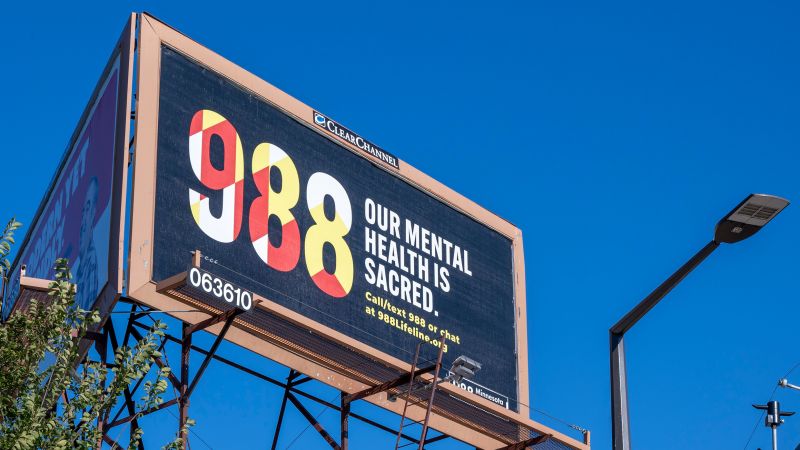
Sandego.net – The 988 LGBTQ hotline to relaunch has been announced for this year, marking a significant step in expanding mental health support for LGBTQ+ individuals. However, the original group responsible for creating the service—The Trevor Project—may be left out of the new program. This development has raised concerns about the continuity of specialized care for LGBTQ+ youth, especially as the initiative aims to address rising mental health needs within the community. The 988 hotline, often referred to as the “911 for mental health emergencies,” has long served as a critical resource, with its “press 3” option offering tailored assistance for LGBTQ+ individuals. The potential exclusion of The Trevor Project, a nonprofit renowned for suicide prevention efforts, highlights a shift in how this support is structured and funded.
Origins of the 988 LGBTQ Hotline
The 988 LGBTQ hotline to relaunch emerged as a vital resource following the 2020 expansion of the 988 crisis hotline. This program, initially launched in collaboration with The Trevor Project, allowed LGBTQ+ youth to access dedicated counselors by pressing “3” during calls or messaging “PRIDE” via text. The initiative was designed to provide culturally competent care for a group disproportionately affected by mental health challenges, including higher rates of suicidal ideation. According to data from the Substance Abuse and Mental Health Services Administration, the “press 3” service accounted for over a million contacts in its first year, underscoring its impact on supporting LGBTQ+ individuals in crisis.
Despite its success, the “press 3” option was discontinued abruptly in July 2023 by the Trump administration, citing financial constraints. While the broader 988 network remained operational, the specialized support for LGBTQ+ youth was removed, leaving a gap in targeted services. Advocates argue that this decision overlooked the unique needs of the community, particularly in terms of gender identity and sexual orientation-specific counseling. The exclusion of The Trevor Project from the 988 network has sparked debates about the effectiveness of integrating LGBTQ+ support into general mental health services without dedicated resources.
Relaunch and Funding Allocation
With the 988 LGBTQ hotline to relaunch now in motion, Congress has allocated $33 million to fund LGBTQ+-specific interventions. This funding aims to ensure the service’s return by the end of 2023, but eligibility for the specialized lines is now limited to crisis centers that are active members of the 988 network. The Trevor Project, which previously managed the “press 3” service, must now apply to rejoin the program, raising questions about its future role. While other organizations within the 988 system continue to offer general support, the absence of The Trevor Project could reduce the availability of expert guidance for LGBTQ+ youth, who often benefit most from targeted assistance.
The relaunch of the 988 LGBTQ hotline to relaunch is expected to restore some of the previously discontinued services, but the question remains whether The Trevor Project will be included. The nonprofit, which has been a cornerstone of LGBTQ+ suicide prevention for decades, has expressed frustration over its potential exclusion. Advocates stress that the organization’s expertise in addressing the specific challenges faced by LGBTQ+ individuals is essential for maintaining the quality of care. As the 988 hotline to relaunch prepares to reintroduce its specialized options, the debate over eligibility criteria continues to shape the future of mental health support for this vulnerable population.
“The 988 LGBTQ hotline to relaunch was built on a foundation of trust and expertise, and its removal from the network risks undermining that progress,” said Jaymes Black, CEO of The Trevor Project, in a statement to the Associated Press.
Impact on LGBTQ+ Youth
The potential exclusion of The Trevor Project from the 988 hotline to relaunch has significant implications for LGBTQ+ youth, who often rely on tailored support to navigate mental health crises. The “press 3” service, which was central to this initiative, provided a direct pathway for young people to connect with counselors trained in addressing issues like minority stress and gender identity. Without this specialized line, some LGBTQ+ individuals may face longer wait times or less personalized care, which could exacerbate existing mental health disparities. Critics argue that the relaunch of the 988 LGBTQ hotline to relaunch should not exclude the organization that played a pivotal role in its creation, given its proven track record in suicide prevention.
As the 988 hotline to relaunch prepares to reintroduce its services, the focus on inclusive care remains a priority. However, the eligibility restrictions have created uncertainty for The Trevor Project. The organization continues to operate independently and offers its own crisis support lines, but its absence from the 988 network may limit its ability to provide the same level of targeted assistance. This situation has prompted calls for a more flexible approach to funding and inclusion, ensuring that the relaunch of the 988 LGBTQ hotline to relaunch effectively serves all those in need. The outcome of this debate will determine the extent to which LGBTQ+ youth can access the mental health resources they rely on most.