Trump Administration Targets Over 500 Migrant Children for Removal, Senator Claims
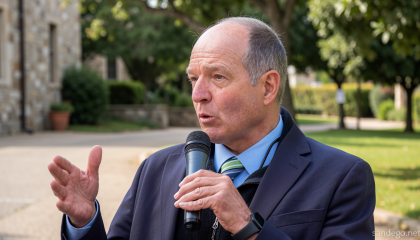
Sandego.net – Democratic Senator Ron Wyden has alleged that the Trump administration has identified more than 500 unaccompanied migrant children in U.S. government custody as candidates for potential removal from the country. The senator, who serves as the top Democrat on the Senate Finance Committee, highlighted this action as part of a broader strategy to prioritize the deportation of minors who arrived at the southern border alone and are awaiting placement with a sponsor in the United States. These sponsors are usually parents or relatives already residing in the country. Wyden’s concerns underscore a growing tension over the treatment of vulnerable children in the immigration system.
Legal and Policy Context of the Removal Efforts
Wyden’s letter to Health and Human Services Secretary Robert F. Kennedy Jr. emphasized the administration’s focus on children who have remained in custody for at least six months and lack a relative or guardian in the U.S. This effort follows a similar initiative last year, which aimed to repatriate Guatemalan children without immediate family members in the country. However, that plan was halted by a federal judge after objections from advocacy groups. The current move appears to be a continuation of the administration’s approach, though the criteria have shifted slightly.
“This is a severe institutional failure that places hundreds of vulnerable children in immediate jeopardy, effectively removing them from U.S. oversight protections and thrusting them back into danger,” Wyden stated in his letter. He further criticized the administration for “weaponizing the very agency charged with their protection” and accused it of undermining due process through executive overreach.
ORR’s Role and the Children in Custody
The Office of Refugee Resettlement (ORR), a division within the Department of Health and Human Services, is tasked with overseeing the care of unaccompanied children who arrive at the U.S. border alone. These children often flee dangerous conditions in their home countries, such as violence or poverty, in search of safety and family reunification. According to Wyden, the list of over 500 children includes those who have been placed in long-term foster care by ORR providers nationwide and have spent at least 180 days in custody. Federal data from May shows that approximately 1,816 such children were in ORR care, with the majority originating from Central America.
Wyden’s allegations point to a potential escalation in the administration’s policies, which prioritize swift removal over prolonged legal processes. While the exact method for deportation remains unclear, the senator noted that a majority of the identified children have legal representation in their immigration cases. This detail raises questions about the fairness of the process and whether these minors are being treated as a priority for removal, despite their right to due process.
Trump’s Immigration Strategy and HHS Response
The Trump administration’s approach to migrant children has been characterized by a focus on family reunification and the removal of minors without verified sponsors. Officials previously described these efforts as “repatriations,” citing collaboration with the Guatemalan government to expedite the return of children to their home countries. A former senior HHS official told CNN that the administration aims to ensure children are placed with parents or guardians who have legal status, rather than leaving them in the care of unverified sponsors.
“Despite this irresponsible fearmongering, there are no plans to target these children. The Trump Administration is working to identify the parents or legal guardians of unaccompanied alien children in our care because ensuring every child is placed with a properly vetted sponsor is our top priority,” said an HHS spokesperson in a statement. The official also noted that the Biden administration had accelerated the release of children without adequate sponsor vetting, leaving many at risk of abuse, exploitation, and trafficking.
Advocacy Concerns and Legal Implications
Immigrant rights advocates and legal professionals have raised alarms over the administration’s focus on removing children after extended periods in custody. They argue that returning minors to their home countries may not always align with their best interests, especially if those countries still pose significant risks. The process for removal involves determining whether the child qualifies for relief under U.S. immigration law, such as asylum or withholding of removal. However, critics claim the Trump administration is using this system to expedite deportations, potentially bypassing protections intended to safeguard children.
The senator’s demand for immediate action includes suspending any “screening initiative or planned removal action” until more information is provided. Wyden’s call for transparency reflects broader concerns about the administration’s handling of the migrant child crisis. He accused the Trump team of acting callously, with a clear disregard for the well-being of this vulnerable population. These criticisms are compounded by the recent Supreme Court decisions that have favored the administration’s immigration policies, further emboldening its approach to deportation.
Long-Term Impact and Uncertainty
While the administration has identified over 500 children for removal, it remains unclear whether all of them will be deported quickly. Some lawmakers and advocates worry that the policy could lead to a backlog in immigration courts, forcing children into the hands of unverified sponsors who may not provide adequate care. The legal battle over these removals has already seen significant outcomes, with the Supreme Court ruling in favor of the Trump administration on two major immigration cases. These rulings have given the administration more leeway to implement its deportation strategy, including the use of expedited procedures for minors.
Wyden’s letter also highlights the emotional toll of the policy on children who have been separated from their families for months. He stressed that the decision to remove them should not be made lightly, given their dependence on U.S. systems for safety and stability. The senator’s remarks align with a growing chorus of voices warning that the administration’s actions could create a precedent for removing children from custody without sufficient safeguards. This debate is expected to intensify as the Trump administration continues its efforts to reshape the immigration landscape, even as the Biden administration faces pressure to address the situation.
Broader Implications for U.S. Immigration Policy
The removal of migrant children has become a central issue in the broader immigration debate. Critics argue that the Trump administration’s focus on rapid deportations reflects a broader ideological shift toward prioritizing immigration enforcement over humanitarian considerations. This approach has been met with resistance from advocates who stress the importance of protecting children from harm, even as the administration seeks to reduce the number of minors in U.S. custody.
As the situation unfolds, the legal and political ramifications of the Trump administration’s policies will likely influence future immigration reforms. The ORR’s role in caring for these children has come under scrutiny, with some accusing the agency of failing to uphold its responsibility to safeguard minors. Meanwhile, the ongoing dialogue between lawmakers, advocates, and government officials will shape the trajectory of this policy, potentially setting the stage for long-term changes in how unaccompanied children are handled in the U.S. immigration system.