Pilot Incapacitation, Crash Landing, and Near Miss: Latest Aviation Incidents
Sandego.net – As summer travel surges, three recent aviation incidents have captured attention, including a pilot incapacitated mid-flight, a crash landing in Alaska, and a near collision in Boston. These events, which occurred within a week, have raised questions about air safety during peak travel periods. While the FAA maintains that air travel remains among the safest modes of transport, the incidents have intensified public scrutiny over potential vulnerabilities in the system. Key details about each incident, including their causes and outcomes, are being shared to provide clarity on the current state of aviation safety.
Emergency at Logan Airport: Near Collision Avoided
On Saturday, a critical near miss unfolded at Boston Logan International Airport, where a Delta Air Lines flight narrowly avoided colliding with an American Airlines aircraft. The incident occurred as Delta Flight 2351 approached for landing, only to spot American Airlines Flight 3161 accelerating onto a cross-runway. Pilots on both planes executed emergency maneuvers, preventing a disaster. This event, which took place during a high-traffic morning, underscores the importance of situational awareness in busy airspace. The FAA has since begun an investigation to determine if procedural errors or communication breakdowns contributed to the close call.
“The pilot spotted the other plane on the runway and reacted instantly to avoid a collision,” explained a source from Delta Air Lines. “It was a tense moment, but the crew’s quick response ensured no harm came to passengers or crew.”
Logan Airport, a vital hub for regional flights, is often congested during peak hours, adding pressure on air traffic control systems. While no injuries were reported, the incident has sparked calls for improved coordination between pilots and air traffic controllers to prevent similar situations in the future.
Alaska Crash Landing: Engine Failure in Remote Terrain
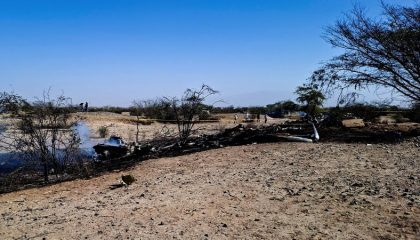
On Monday, a commuter plane made an emergency crash landing near Gates of the Arctic National Park in Alaska. The Cessna 208 Caravan, operated by Wright Air Service, experienced an engine failure shortly after takeoff from Coldfoot. Pilots managed to steer the aircraft to a safe stop in a mountain meadow, though the landing was forceful. Passengers captured the event, sharing video of the scene online, which highlighted the remote nature of the crash site and the quick response by emergency crews.
“We had to make a rapid decision to land in the bush because of the engine problems,” said Brett Fillipi, a passenger who recorded the incident. “The pilot handled everything with calm, and we were all out safely in no time.”
Wright Air Service, which operates in areas with limited infrastructure, emphasized its commitment to safety. The crash landing, while alarming, did not result in any fatalities, though the plane sustained heavy damage. Emergency teams used helicopters to assist with the evacuation, demonstrating the preparedness of local responders.
Medical Emergency on Air Canada Flight: Pilot’s Unconsciousness
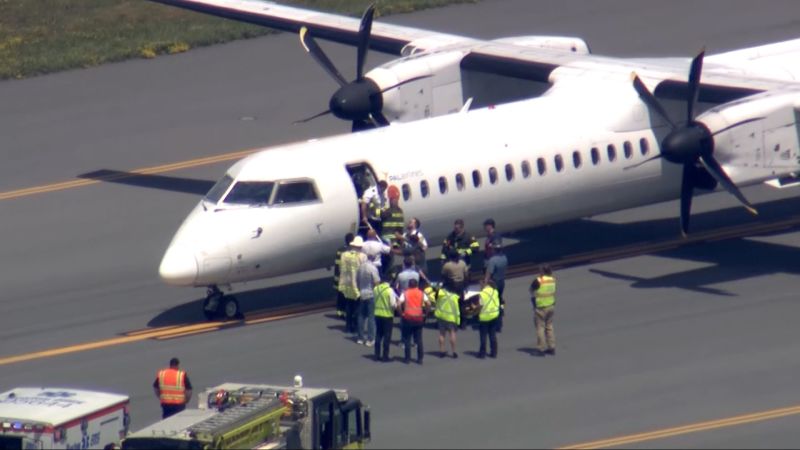
Another incident involved Air Canada Flight 7664, which encountered a medical emergency in the cockpit during a flight from Newark to Halifax. A passenger described the moment the captain became unresponsive, prompting a flight attendant to intervene. “The plane swerved suddenly, and it wasn’t turbulence,” the passenger said. “The crew acted swiftly to stabilize the situation before bringing the pilot to safety.”
This event, which occurred on the same day as the Alaska crash, has led to renewed focus on pilot health monitoring. The FAA is reviewing protocols to address incidents where pilots become incapacitated, especially during long-haul flights. While the exact cause of the medical issue remains under investigation, the swift action by the crew prevented a more severe outcome.
Summary of Key Incidents and Safety Implications
The three incidents—pilot incapacitation, a crash landing, and a near collision—exemplify the challenges faced by the aviation industry. Each event involved distinct risks, from mechanical failures to human error, and collectively they have prompted a review of safety measures. Airlines and regulatory bodies are now assessing whether additional training, equipment upgrades, or procedural changes are needed to address these concerns. Despite the turbulence, the overall safety record of aviation remains strong, with each incident serving as a reminder of the importance of vigilance.
“These incidents are rare but significant, offering valuable lessons for improving safety in the skies,” noted a FAA spokesperson. “We’re working closely with airlines to identify and mitigate risks.”