Venezuela Endures Back-to-Back Earthquakes: Assessing the Devastation and Response
Seismic Shocks Rock the Northern Coast
Sandego.net – On Wednesday, June 24, 2026, Venezuela’s northern coastline experienced a sequence of powerful earthquakes that left residents in shock. Two tremors, measuring 7.2 and 7.5 on the Richter scale, struck within a minute of each other, shaking the region with such intensity that buildings collapsed and people rushed into the streets. The initial 7.2-magnitude quake, recorded near San Felipe—a key city in Yaracuy state—occurred at approximately 6:04 p.m. ET. Just 40 seconds later, a larger 7.5-magnitude shock followed, its epicenter located roughly 23 kilometers (14 miles) southeast of Yumare, another town in the same state. Yaracuy is home to some of Venezuela’s most critical oil refineries, raising concerns about the potential disruption to the nation’s energy infrastructure.
Impact on Infrastructure and Daily Life
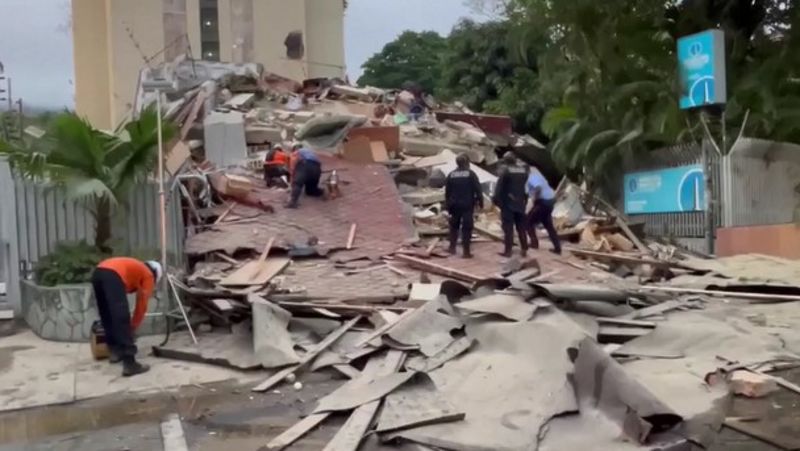
The quakes were felt across multiple states, with reports of structural damage extending to neighboring Colombia despite the distance from the epicenter. In Caracas, the capital, which lies about 300 kilometers from the initial tremor, at least three buildings in affluent eastern districts near Altamira Square partially collapsed. Multiple videos, geolocated by CNN, show widespread destruction in Caracas and the coastal town of Catia La Mar, where collapsed structures are visible on hillside neighborhoods. Residents fled their homes in panic, carrying loved ones and pets to safety before gathering on the streets. One local in Caracas described the chaos as “the scene was like a horror movie,” highlighting the traumatic experience of those caught in the tremors.
State of Emergency and Government Actions
Following the quakes, Venezuela declared a state of emergency, mobilizing first responders and security forces across the country. Acting President Delcy Rodríguez, who assumed leadership after U.S. forces captured President Nicolás Maduro earlier this year, confirmed fatalities and extended condolences to affected families during a late-night address. However, the exact number of casualties remains unclear. The government also authorized the temporary shut-off of direct gas supplies to certain buildings as a precautionary measure while assessing structural damage. In addition, Simon Bolivar Airport near Caracas closed temporarily due to reported damage, further complicating evacuation and relief efforts.
Historical Context and USGS Alerts
The U.S. Geological Survey (USGS) issued two separate red alerts via its PAGER system, signaling a potential for high casualties and extensive economic losses. Such alerts are typically reserved for rare, large-scale disasters. The USGS statement warned that the consecutive quakes could lead to a “national or international response,” emphasizing the severity of the situation. According to the alert, the risk of shaking-related fatalities and infrastructure damage is significant, particularly in areas where many residents live in structures vulnerable to seismic activity. This marks the first time in over a year that the PAGER system has been activated, underscoring the urgency of the crisis.
Public Holiday Compounds the Crisis
Wednesday was a public holiday, commemorating both St. John the Baptist and Venezuela’s independence from Spain. The celebration likely contributed to a higher number of people being in their homes or at public events when the tremors struck, increasing the likelihood of injuries and panic. The timing of the quakes added to the challenge of managing the crisis, as emergency services had to contend with the holiday atmosphere while coordinating rescue operations. In many regions, the quakes caused power outages and disrupted communication networks, with internet connectivity dropping sharply nationwide. NetBlocks, a digital watchdog, reported that the damage to power and telecommunications infrastructure left communities isolated and hindered the flow of critical information.
Political and Economic Strain
The earthquakes occur amid Venezuela’s ongoing political and economic turmoil. The country remains under the leadership of an interim government, following the capture of President Nicolás Maduro by U.S. forces in early 2026. The nation’s economy, already crippled by years of hyperinflation and dwindling oil revenues, faces renewed strain as the quakes threaten to further disrupt energy production and daily operations. Yaracuy state, where the epicenters were located, is a vital hub for Venezuela’s oil industry, and the damage to refineries raises fears of long-term economic consequences. The government has also suspended school classes nationwide for a week, while rail services and non-essential activities are temporarily halted to prioritize recovery efforts.
Regional Solidarity and Ongoing Challenges
Latin American nations swiftly responded to the crisis, offering messages of solidarity and condolences. Mexico, El Salvador, Brazil, Bolivia, and other countries expressed support for Venezuela’s efforts to manage the disaster. However, the region’s leaders remain cautious about the long-term impact of the quakes. The Ministry of Communication and Information stated that security forces have been deployed to monitor the risk of “many structures” collapsing, particularly in areas with aging infrastructure. The combination of natural disaster and political instability has placed additional pressure on the government to coordinate a swift and effective response.
Assessing the Damage and Future Steps
As of Thursday, the full extent of the damage is still being evaluated. The USGS red alerts suggest a high probability of thousands of casualties and widespread destruction, though precise figures have yet to be confirmed. In Caracas, emergency teams are working to stabilize damaged buildings, while in Yaracuy, efforts to assess the impact on oil facilities are underway. The government has established a high-level task force to oversee search and rescue operations, but logistical challenges persist due to disrupted power and communication networks. With the quakes marking a grim chapter in Venezuela’s history, the focus remains on restoring order and providing aid to those affected.
International Response and Local Resilience
While the immediate aftermath is dominated by local efforts, international aid is expected to play a crucial role in the recovery. The USGS’s warning about the potential for “widespread” damage has drawn attention from global experts, who are monitoring the situation for signs of long-term consequences. For residents, the quakes have highlighted the vulnerability of their infrastructure and the fragility of their daily lives in a nation already grappling with severe economic and political crises. As the situation evolves, the resilience of Venezuelans—and the effectiveness of their government’s response—will be key to mitigating the disaster’s impact.
This is a developing story, with updates expected as assessments continue and relief operations expand. CNN’s Stefano Pozzebon, Avery Schmitz, Thomas Bordeaux, Ivonne Valdes, and Camille Rodriguez contributed to this report.
“The scene was like a horror movie.” – A Caracas resident describing the aftermath of the earthquakes.
“Red alert for shaking-related fatalities and economic losses. High casualties and extensive damage are probable and the disaster is likely widespread.” – USGS alert text explaining the severity of the quakes.