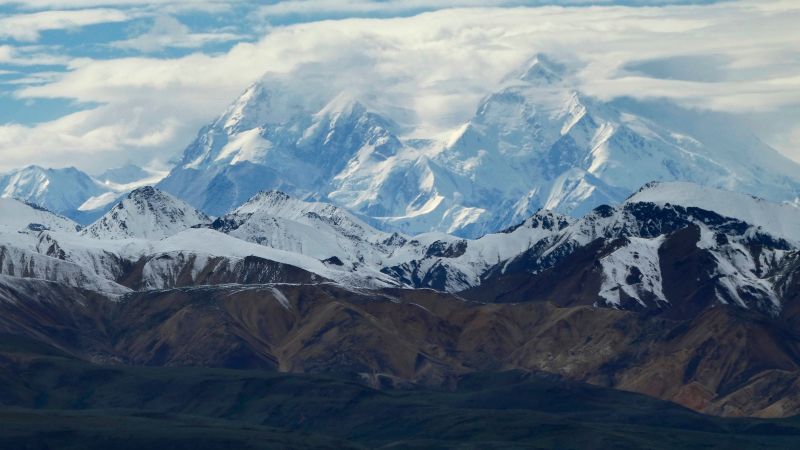
3 Climbers Fall Near Denali Pass on Mount McKinley; 1 Rescued
Sandego.net – Three climbers who fell near Denali Pass on Alaska’s Mount McKinley have died, while one was successfully rescued, according to the Denali National Park and Preserve. The incident, which occurred on Wednesday, highlighted the dangers of the West Buttress route, the most common path to the summit of North America’s tallest mountain. The team, consisting of seven members, was in a remote section of the trail when the accident took place, leaving the survivors to navigate the challenging conditions to safety.
Challenging Terrain and Rescue Efforts
The three climbers who perished were part of a Latvian expedition group that had been climbing the West Buttress route, a path known for its steep ice fields and exposed ridges. The area between high camp, located at 17,200 feet (5,240 meters), and Denali Pass, which sits at 18,200 feet (5,550 meters), is particularly perilous. Park rangers and guides often use snow pickets to secure the route, yet the accident underscores the unpredictable risks that even seasoned climbers face in this environment.
“The fall near Denali Pass was a tragic reminder of the hazards that persist in this high-altitude region,” remarked a National Park Service official. “Despite safety measures, the combination of weather and terrain can lead to rapid emergencies.”
The rescued climber was evacuated from the mountain late Thursday afternoon by search and rescue teams. This operation required navigating through extreme weather and difficult terrain, with the remaining team members playing a crucial role in stabilizing the situation before the extraction. The survivor’s condition remains stable, though the incident has sparked renewed discussions about the safety protocols on the West Buttress route.
Mount McKinley’s History of Climbing Fatalities
Mount McKinley, standing at 20,310 feet (6,190 meters), has long been a site of both triumph and tragedy for climbers. Over the past decade, more than 130 fatalities have been recorded on the mountain, with a significant number occurring during the descent from high camp to Denali Pass. The recent incident adds to this history, emphasizing the ongoing challenges of high-altitude mountaineering in Alaska’s rugged wilderness.
“This route is one of the most demanding in terms of both physical endurance and technical skill,” added the park service. “Climbers must remain vigilant against sudden weather shifts and hidden crevasses.”
Although the West Buttress route is the most popular, it is also the most dangerous due to its narrow paths and steep ice slopes. The accident involving the three climbers who fell near Denali Pass serves as a stark example of the risks inherent in this climb. Even with precautions, such as snow pickets and regular route checks, the mountain’s unpredictable nature can lead to severe consequences.
Annual Climbing Activity and Seasonal Risks
Mount McKinley attracts approximately 1,000 to 1,200 climbers annually, with most expeditions taking place during May and June. The typical climb lasts around 17 days, but only about half of the climbers reach the summit. This year’s climbing season has already seen several incidents, including the evacuation of two climbers by helicopter on Wednesday and the recent tragedy.
“We’re currently reviewing the conditions in the area where the climbers fell near Denali Pass to identify any potential improvements,” said Scott Carr, a park service spokesperson. “The goal is to enhance safety without compromising the natural challenges that make this climb unique.”
While the focus is often on reaching the summit, the descent from high camp to Denali Pass remains a critical phase of the journey. The three climbers who fell near Denali Pass were in this segment when the accident occurred, underscoring the need for continued vigilance and emergency preparedness. The incident has also prompted a closer look at how climbers manage risks in high-altitude environments, especially during the transition between camp and the pass.
Mount McKinley’s high-altitude conditions, including strong winds, subzero temperatures, and sudden weather changes, complicate rescue operations. The successful retrieval of the fourth climber was a testament to the coordination between park personnel and the expedition team. However, the loss of three lives has reignited debates about the adequacy of current safety measures on this popular route.