RFK Jr. Orders Passenger From Hantavirus-Stricken Cruise to Stay in Federal Quarantine in Nebraska, Despite CDC Recommendation
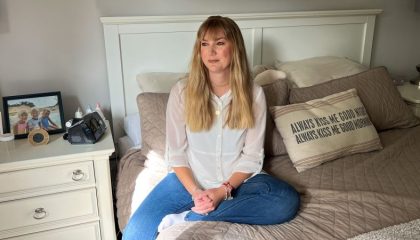
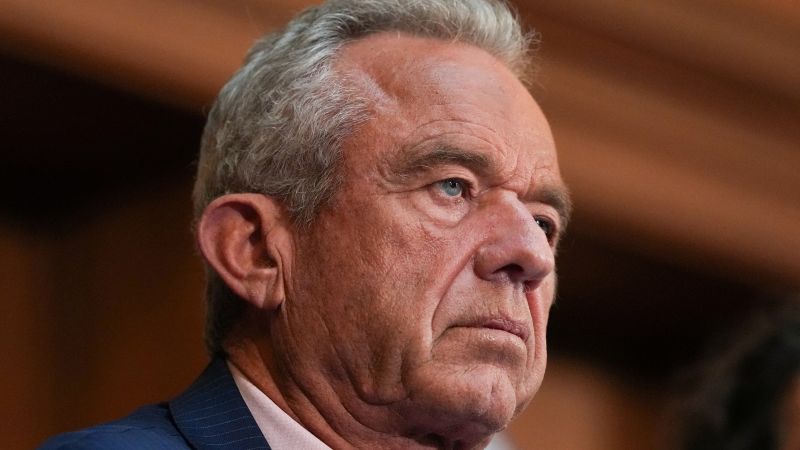
Sandego.net – Angela Perryman, a U.S. citizen who contracted a rare strain of hantavirus during a cruise on the MV Hondius, remains in federal quarantine at Nebraska Medical Center after being directed by Robert F. Kennedy Jr., the U.S. Health and Human Services Secretary. This decision comes despite a prior endorsement from a federal health expert who cleared her to return to Florida. Perryman has expressed frustration, calling the situation a “political stunt” and feeling “like she is in prison.” Her case has sparked a debate over the balance between public health measures and individual freedoms, as the federal government continues to enforce strict quarantine rules even after the CDC proposed a less restrictive alternative.
The Quarantine Controversy
On May 1, 18 U.S. passengers from the MV Hondius were transported to the National Quarantine Unit at Nebraska Medical Center after being exposed to hantavirus, a potentially deadly disease transmitted through rodent droppings, urine, or saliva. While some of these passengers chose to stay voluntarily for the full 42-day monitoring period, the majority opted to leave once their state health departments agreed to a monitoring plan. This included daily symptom checks and 24-hour oversight through June 21, allowing 10 individuals to return home. However, Perryman’s situation has been more contentious, with her home state of Florida refusing to meet the federal requirements for ongoing monitoring.
Perryman initially hoped to conclude her quarantine by early June, but her release has been stalled. The CDC extended her federal quarantine order to June 21, citing the need for continuous surveillance. Despite this, Perryman argued that her state could provide adequate monitoring through a less intensive approach. The federal government, however, has maintained its stance, with RFK Jr. issuing a formal directive to keep her in quarantine. “At this point, it’s just a state-federal spat, and I’m just a hostage,” Perryman told CNN, reflecting her growing sense of entrapment.
Federal vs. State Quarantine Requirements
Dr. Michael Bell, a CDC quarantine medical reviewer, conducted a medical hearing to assess Perryman’s case. His findings suggested that the federal quarantine could be relaxed, provided Florida committed to accepting responsibility for her public health monitoring. Bell’s report emphasized that once-daily telehealth check-ins would suffice, as they align with the quarantine’s intent to prevent public exposure to infectious individuals. “The testimony at the medical hearing persuaded me that measures CDC is imposing on Ms. Perryman are not the least restrictive available,” Bell stated in his evaluation. “A less restrictive alternative is adequate to protect public health.”
Despite Bell’s recommendation, RFK Jr. disagreed. In his order, he stated that the federal quarantine requirements are still necessary to safeguard both Perryman and her community. The decision was based on the CDC’s guidance, which he aligned with Acting Director Dr. Jay Bhattacharya. However, the order did not address the detailed arguments presented in Bell’s nine-page report. “Secretary Kennedy specifically considered the medical recommendation before deciding to continue the current order consistent with [Dr. Bhattacharya],” said HHS spokesperson Courtney Spencer in a statement to CNN. The administration maintains that without proper state-level monitoring, the federal intervention is essential to prevent outbreaks.
Public Health Rationale and Unresolved Tensions
Florida’s proposed plan for monitoring Perryman involves once-daily telehealth assessments, a contrast to the federal government’s demand for 24/7 oversight. This difference in approach has highlighted broader tensions between state and federal authorities in managing health crises. While the CDC’s experts acknowledged the feasibility of Florida’s plan, the federal quarantine was extended to ensure no risks were overlooked. Perryman’s situation now represents a focal point in this disagreement, with her loss of trust in public health institutions becoming a central issue.
“If it had been from the beginning that ‘this is the reason that we need to do this, and there is an actual scientific justification,’ then that would have been OK,” Perryman said, underscoring her belief that the decision lacks transparency. She emphasized that without clear evidence of the need for federal oversight, the quarantine feels arbitrary. “If there was a scientific reason for this, if I could see that, yes, this actually does further public health, I would have agreed,” she added. This sentiment reflects the growing skepticism among some passengers and experts about the federal government’s role in the quarantine process.
The Role of the Nebraska Medical Center
Nebraska Medical Center, which has been housing the quarantined passengers, has stated that inquiries about the quarantine orders should be directed to the CDC. The center’s officials have not yet commented on the specifics of Perryman’s case, leaving the responsibility to the federal agency. Meanwhile, the Florida Department of Health has not responded to CNN’s request for clarification on its monitoring plan. This lack of communication has added to the confusion surrounding Perryman’s situation.
The controversy has raised questions about the flexibility of quarantine protocols and the role of political considerations in public health decisions. As the 42-day period nears its end, the situation remains unresolved, with Perryman continuing to challenge the federal mandate. Her case serves as a microcosm of a larger debate over how to manage infectious disease risks while respecting individual autonomy. For now, she remains in quarantine, with the federal government insisting that her release hinges on Florida’s ability to meet its stringent requirements.
Dr. Michael Wadman, the medical director of the Nebraska quarantine unit, has been involved in overseeing the care of these patients. His role in the process underscores the collaboration between state and federal agencies in handling such cases. However, Perryman’s experience has cast a shadow over this partnership, as she questions the consistency and fairness of the protocols applied to her. Her comments highlight the personal toll of these measures, as well as the potential for public health policies to be perceived as politically motivated.
As the debate continues, the outcome of Perryman’s case may set a precedent for future quarantines. The clash between federal oversight and state autonomy could influence how similar situations are handled in the future. For now, Perryman remains in Nebraska, awaiting a resolution that could either validate the federal government’s stance or pave the way for her to return home under a modified plan. The situation underscores the complexities of balancing public health imperatives with individual rights in the face of an infectious disease threat.