UK Introduces Comprehensive Social Media Restrictions for Minors
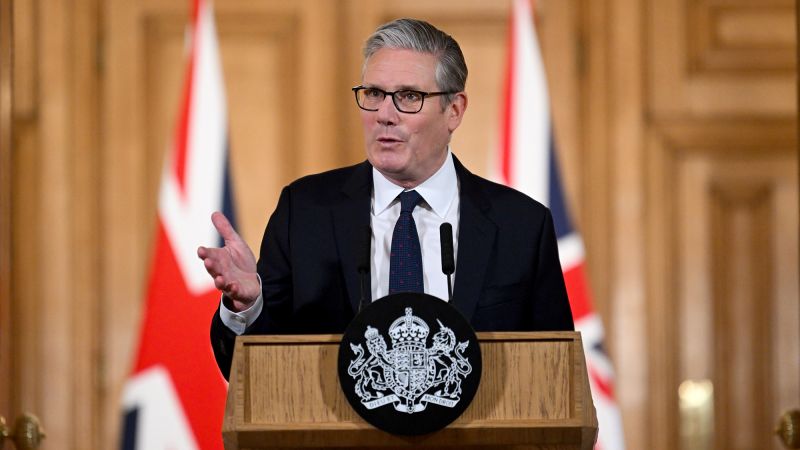
Sandego.net – British Prime Minister Keir Starmer unveiled a new policy Monday that aims to limit social media access for children under 16. This initiative marks one of the most extensive digital regulations globally, targeting platforms like TikTok, Snapchat, and Instagram. The move is intended to safeguard young users while challenging the dominance of major tech corporations. During a press event, Starmer emphasized the importance of the policy in aligning with British societal norms and fostering a safer online environment for the next generation.
Starmer’s Vision for Digital Safety
Starmer argued that the ban would not only reshape how parents discuss screen time but also redefine children’s expectations regarding online engagement. “By restricting access, we are giving them more time to explore the real world, more security in their interactions, and greater freedom to develop as individuals,” he stated. The plan includes curfews, time limits on apps, and measures to counter features designed to keep users addicted. These changes are expected to reduce exposure to harmful content and promote healthier digital habits among youth.
“This will change the conversations that parents have and the expectations of children over time. It will make a huge difference, it will make our children safer, it will make our children happier, it will give them more time, more security, more freedom to grow up, more opportunity.”
Expanding the Scope of Regulation
While the ban targets social media platforms, Starmer also announced restrictions on gaming and livestreaming services that enable children to communicate with strangers. “Would you allow your child to connect with a complete stranger in the physical world? No, so why should they be permitted to do so online?” he questioned. The government already has the authority to implement initial steps, with full regulations set to take effect by year’s end and a complete prohibition anticipated by spring. This framework is described as a response to the “digital Wild West,” where unregulated content can harm young minds.
Australia’s Pioneering Role
Starmer cited Australia as a model for his decision, noting that the country introduced a similar ban last December. Australian authorities blocked platforms including TikTok, YouTube, and Facebook, setting a precedent that has since influenced other nations. The UK’s new policy builds on this international trend, as more countries explore ways to mitigate the risks associated with excessive screen time. Starmer’s announcement comes after extensive consultations with educators, parents, and young people, reflecting a broad consensus on the need for stricter oversight.
Government’s Timeline for Implementation
The UK government plans to enforce the ban in phases. Immediate actions will focus on age verification and algorithm adjustments, with more comprehensive measures following by the end of the year. The final prohibition, which will fully restrict under-16s from accessing social media, is projected to be in place by next spring. Starmer stressed that this phased approach allows for flexibility while ensuring long-term protection. “We are not just imposing rules; we are creating a system that prioritizes children’s well-being,” he said.
Parental and Public Support
According to the government’s consultation results, over 116,000 responses were collected, with more than 83% of parents stating that the risks of social media outweigh its benefits. A staggering 90% of participants supported setting the minimum age for access at 16. These figures underscore the public’s demand for stricter controls, especially as concerns over mental health and online safety continue to rise. Starmer highlighted the growing awareness of how prolonged exposure to digital platforms affects children’s development, citing evidence from Australia as a catalyst for the UK’s policy shift.
Critics’ Concerns and Debate
Despite widespread support, some experts remain skeptical. Psychologists and researchers argue that the evidence linking social media to harm is not definitive, and that a ban might not address all underlying issues. For instance, a group of London-based students told Reuters they felt conflicted about the policy, as they rely on platforms for social connections and creative expression. “We use them to share ideas and stay in touch with friends,” one teenager noted. However, Starmer defended the policy, asserting that the government has a duty to act decisively in the face of growing evidence.
Broader Implications for Tech Regulation
The UK’s initiative signals a shift in global tech governance. Countries such as France have also moved to regulate social media, with President Emmanuel Macron pledging to accelerate a ban for users under 15. “Our children’s brains are not for sale,” Macron declared in a recent statement, emphasizing the need to combat addictive design features. Starmer’s policy, combined with these international efforts, highlights a coordinated approach to reining in the influence of big technology companies. The UK aims to set a benchmark for digital responsibility, ensuring that platforms prioritize child safety over profit.
Public Reaction and Future Challenges
The announcement has sparked mixed reactions. While many parents and educators applaud the measure as a necessary step, some fear it may be too rigid. Critics worry that the ban could stifle creativity or disconnect children from global communities. Starmer, however, remains confident in the policy’s effectiveness, stating that it would “give them more time, more security, more freedom to grow up.” As the UK prepares to implement these rules, it faces the challenge of balancing protection with access, ensuring that the benefits of technology are not entirely lost.
Starmer’s leadership is now under scrutiny, with potential challenges looming as the policy moves forward. The prime minister’s decision to ban social media for under-16s reflects a broader strategy to hold tech companies accountable for their impact on society. By aligning with Australia’s example and incorporating feedback from diverse stakeholders, the UK is positioning itself as a leader in digital safety. The success of this policy will depend on its execution, public compliance, and the ability to adapt to evolving digital landscapes.
With the world increasingly dependent on online platforms, the UK’s move to restrict access for minors underscores a growing recognition of the need for regulation. As more countries follow suit, the focus on children’s well-being in the digital age is likely to intensify. The ban represents not just a legal change but a cultural shift, redefining how technology is integrated into daily life for the younger generation. Starmer’s administration will need to navigate this transition carefully, ensuring that the measures are both effective and equitable.